
Interior Painters Auckland
The job you look at every day
An interior repaint is the cheapest significant change you can make to a house, and the one you live inside every day. It’s also the job where the difference between competent and careless shows up most, because you’re looking at these walls from a metre away in daylight, for years. Roller marks, a wavy cut-in line at the ceiling, filler that’s flashed through a different sheen to the wall around it — none of that is hidden by distance the way an exterior is. We’re interior painters working right across Auckland, from a single room to a whole house. Interior work runs year round rather than seasonally, which means we can usually start sooner than an exterior, and it means a job can be staged around you if you’re living in the house while we work. What we’re known for happens before the topcoat goes on, and it starts with how we treat the house itself. Furniture covered, floors protected, dust controlled at the tool, and the place cleaned down at the end of every day rather than the end of the week. Then the prep: every surface sanded, every defect plastered, every joint gap-filled, and nothing gets a topcoat until it’s checked under a high-power light and it’s right.
Recent Interior House Painting Projects
-
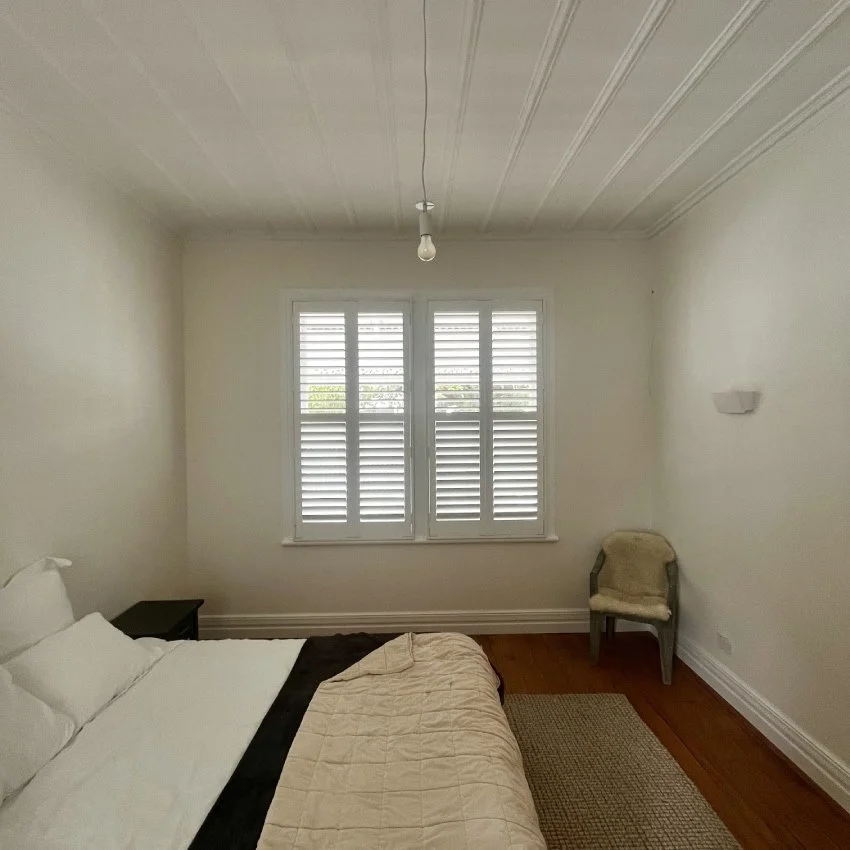
![Grey Lynn - Villa interior renovation]()
Grey Lynn - Villa interior renovation
-
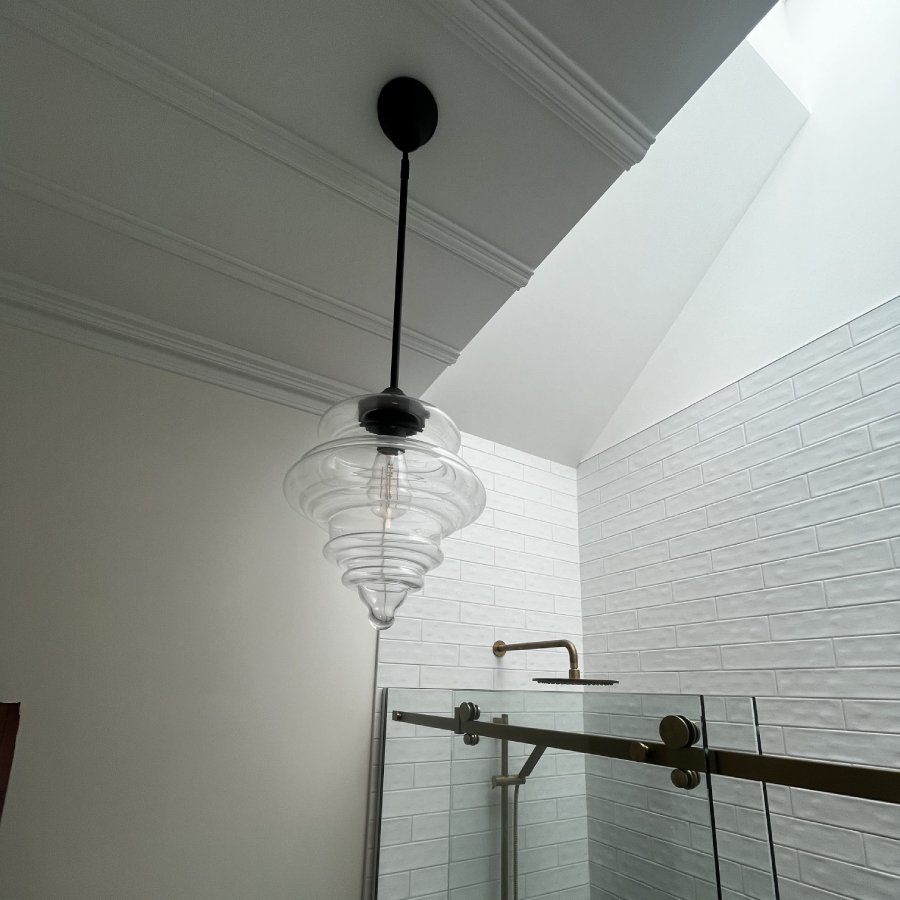
![Bathroom Interior w/Skylight]()
Bathroom Interior w/Skylight
-
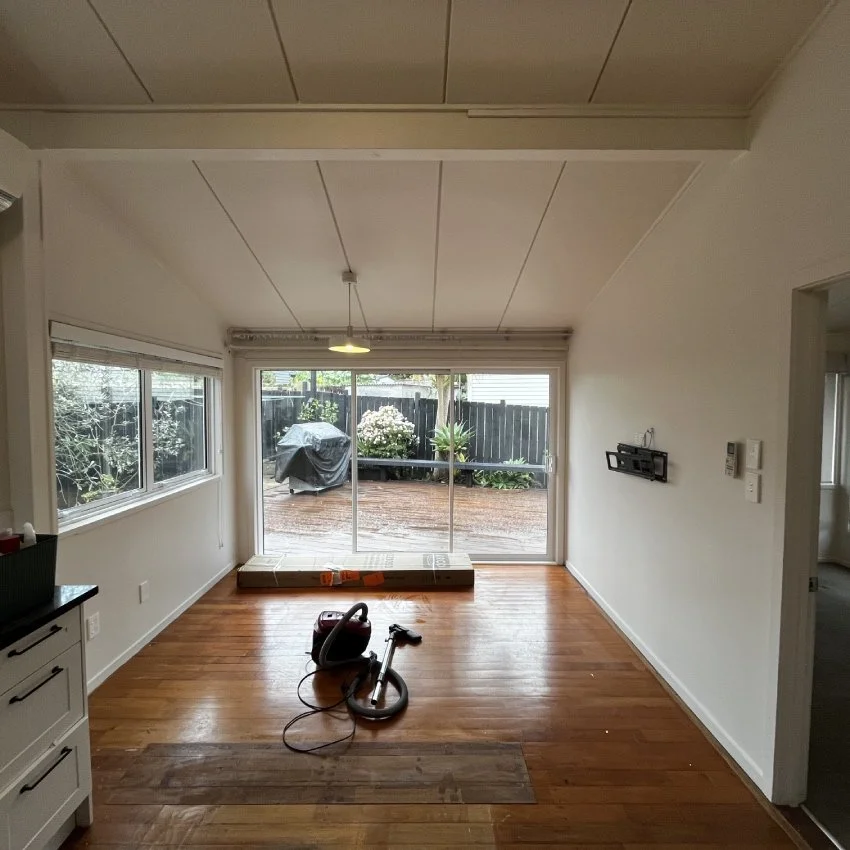
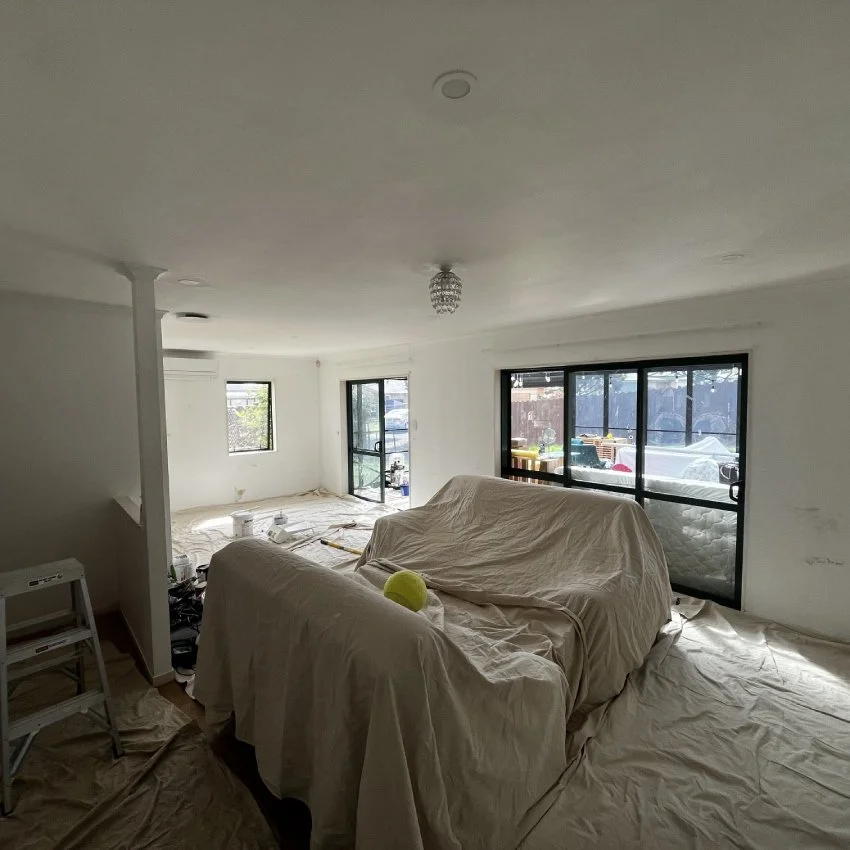
![Avondale - Full interior refresh]()
Avondale - Full interior refresh
-
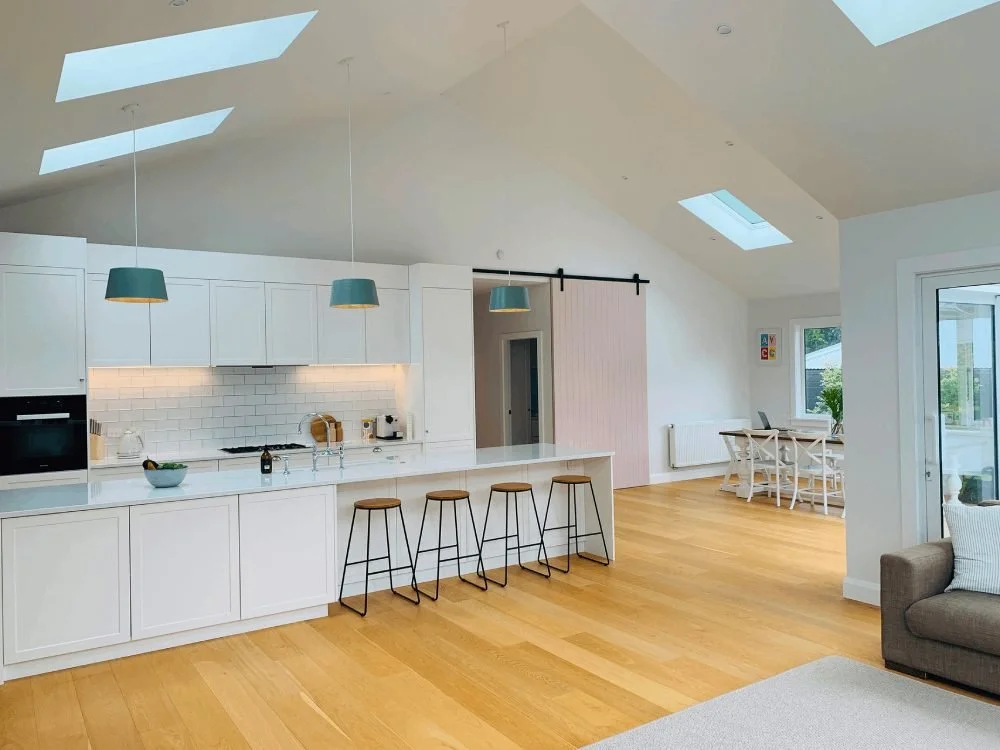
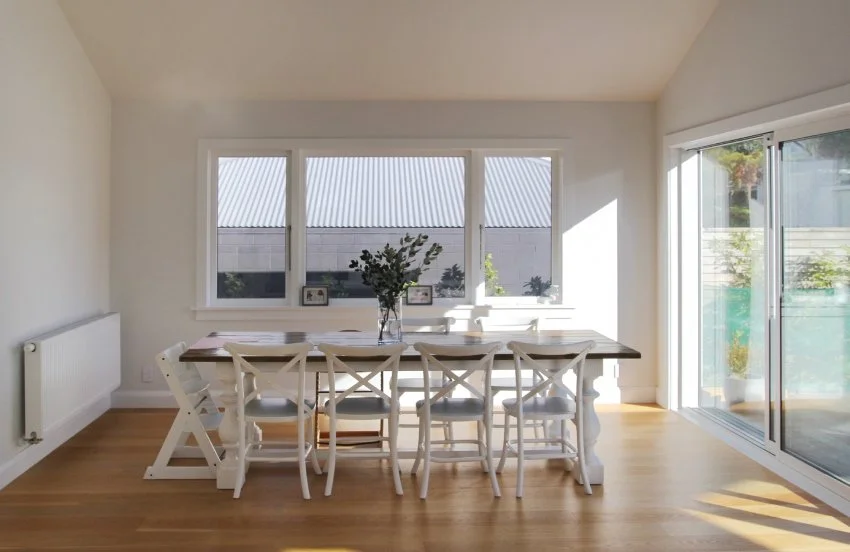
![Interior living room - New build]()
Interior living room - New build
-
![Interior painting prep]()
Interior painting prep
-
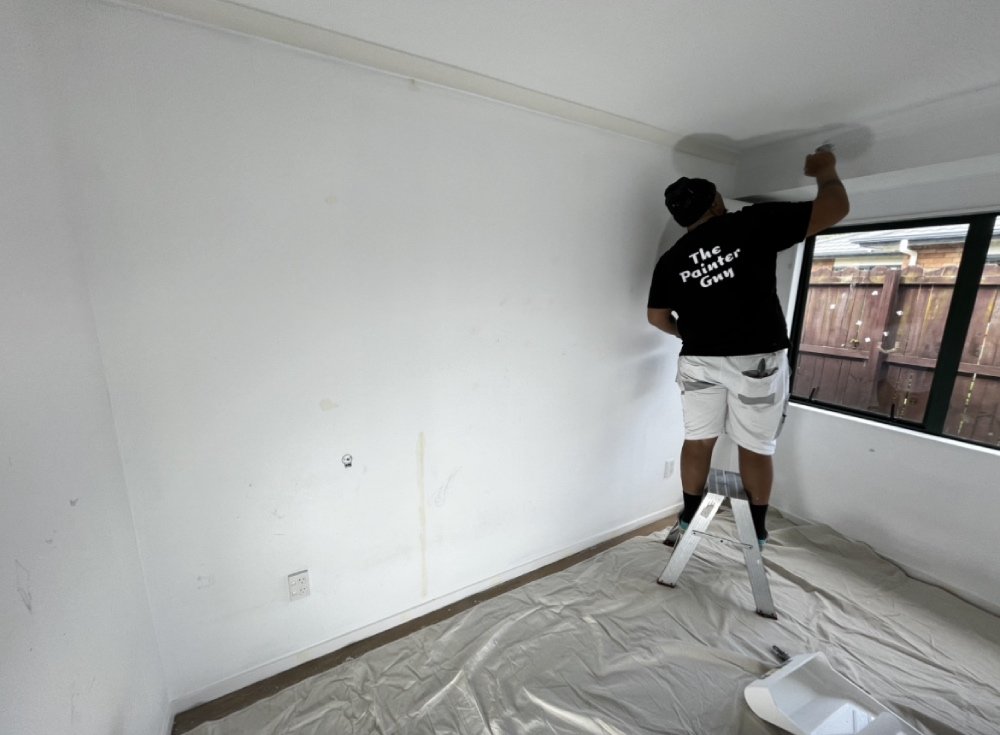
![Painting Contractor Cutting In Ceiling With White Paint]()
Flatbush - Full Interior Refresh
-
![Weymouth - Full interior colour change]()
Weymouth - Full interior colour change
-
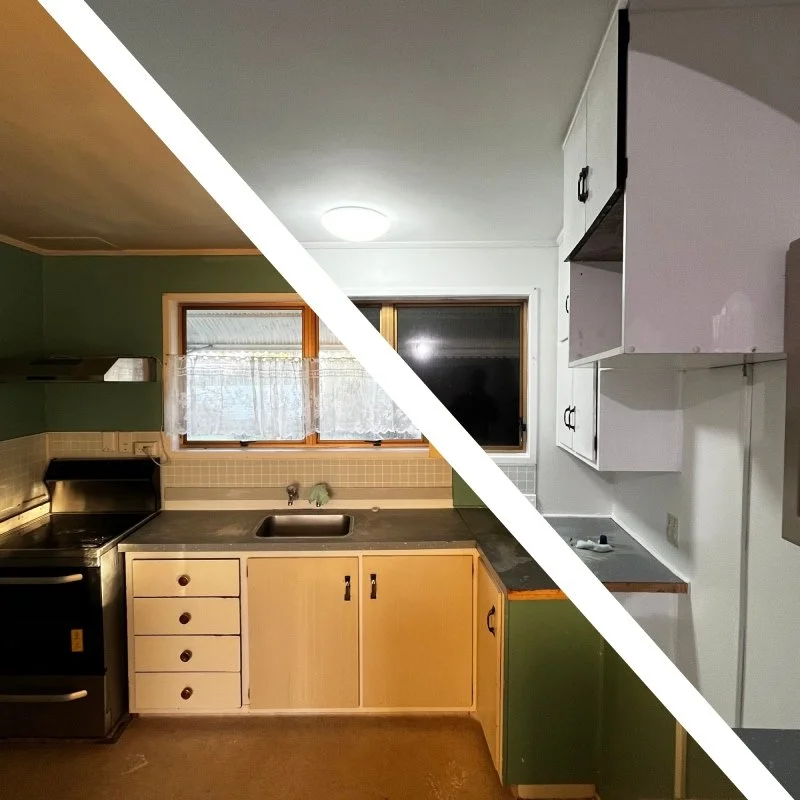
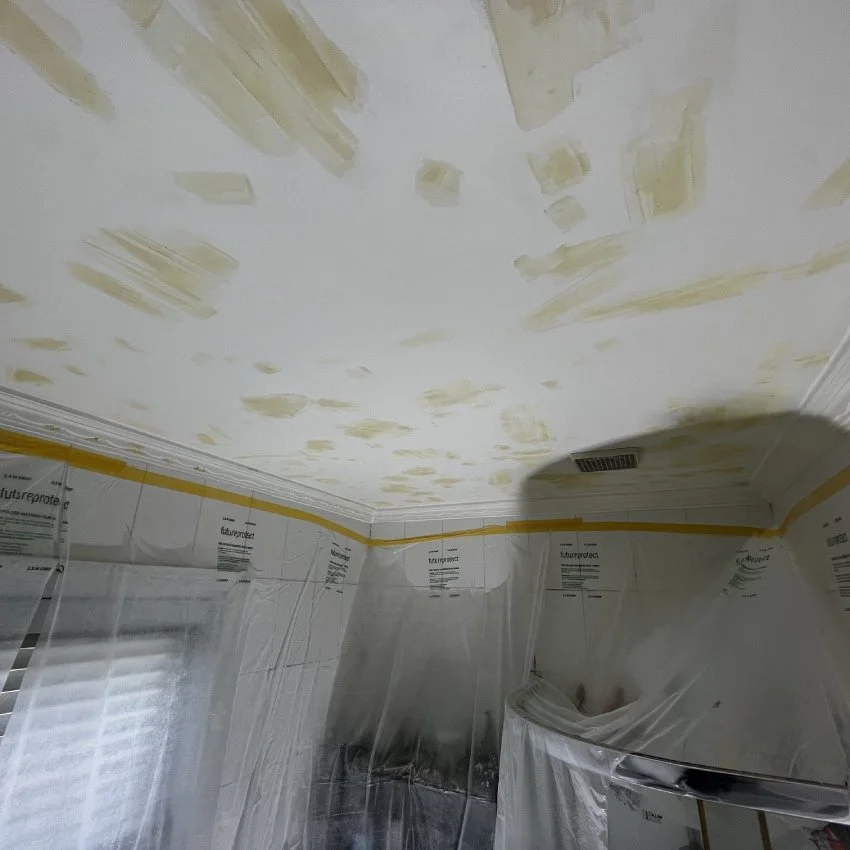
![Glen Eden - Bathroom Ceiling Prep]()
Glen Eden - Bathroom Ceiling Prep

Abdi Khaled
About
I’m Abdi. I spent four years with The Painter Guy in Wellington, where the business has run since 2013, built on high-quality work and a team that genuinely loves what they do. In early 2026 I opened The Painter Guy in Auckland, and we’re growing here the same way: every project follows the same detailed process, with the client at the heart of it — your vision, brought to life with our expertise.
-
The Painter Guy started in Wellington in 2013 and built its reputation there on one thing: doing the preparation properly when nobody would have known if we hadn't. More than 600 jobs later, that's still what the business runs on.
We're newer in Auckland, and we'll say so rather than let you assume otherwise. We opened here recently, the Auckland job count is in the dozens rather than the hundreds, and every review on this page is from an Auckland homeowner — a rental repaint, a heritage villa in Grey Lynn, a house in Ponsonby. You can check all of them. We'd rather you judged us on work you can verify than on a number you can't.
What did come north is the standard and the way we run a job. Interior work is our most popular service, and it's where that standard is easiest to see — you're looking at these surfaces from a metre away, in good light, every day for years. There's nowhere to hide a rushed cut-in or a filled hole that wasn't sanded back properly.
However you found us — a search, a referral, or a job of ours you drove past — you get the same thing. Floors and furniture covered before anything starts. The place left clean at the end of every day, not the end of the week. And you're told what we find as we find it: water staining above a shower, mould behind a wardrobe, a crack that's structural rather than cosmetic, lead paint on a pre-1980 architrave. You see it before it gets covered up.
We can't promise to be the cheapest quote you get. We can promise it'll be the most detailed — every surface listed, every product named, and the preparation written down rather than assumed.
-
The thing that separates a good interior job from a bad one isn't only the finish on the wall. It's whether you could stand living in the house while it happened. That's the part we take most seriously, and it's the first thing we do rather than an afterthought at the end. Furniture moved or covered before anything starts. Floors protected properly, not with a sheet thrown down. Edges masked. Dust pulled off the tool as we sand rather than swept up afterwards. And the place cleaned down at the end of every single day, not the end of the job — so you come home to a house you can use. Then the work itself.
Protect and set up. Furniture moved or covered, floors sheeted, edges masked, dust extraction running before a single surface is touched.
Assess every surface. Walls, ceilings and trims each looked over properly — hairline cracking at the Gib joints, screws that have popped as the frame moved, dents, dings, scuffs, nail holes, and anywhere the previous coat has failed.
Sand back. The whole surface, not just the damage, so the new coating has something to key into and so old brush texture and roller stipple come out rather than getting buried under fresh paint.
Plaster and fill. Every crack, dent and hole stopped properly and built back flush. On older Auckland ceilings that means working with the substrate rather than against it, because lath and plaster cracks along its own lines and needs binding before it's filled.
Gap-fill every joint. No More Gaps to skirtings, architraves, Scotia and every wall junction. This is the step that gets skipped most often and it's the one you notice most. A room with every joint filled reads as sharp and finished. A room without them reads as tired, no matter how good the paint on the walls is.
Sand again. Back flush, stepping up through finer grits between each stage, so filled areas and the surface around them become one plane instead of a patchwork you can pick out in daylight.
Seal. So filled and patched areas don't drink the topcoat and dry to a different sheen than the wall around them.
Defect check under high-power light. We go over every surface with a work light held at a raking angle. Overhead light hides things. Light held across a surface shows every ding, scratch, missed fill and sanding mark. Anything it finds is fixed there and then, and nothing gets a topcoat until this passes.
Topcoats. Applied in the system specified for that surface, sanding between coats.
Final check and handover. Same light, same inspection, this time with you in the room. Then furniture back, protection up, house cleaned down.
The defect check is the step worth understanding. Most interior jobs look fine on the day and start showing their shortcuts a month later, when the afternoon sun comes across a wall at a low angle and every filled nail hole and sanding mark appears at once. Checking under a raking light before the topcoat is how you find those while they still take two minutes to fix.
Your quote sets all of this out surface by surface, so before you commit you can see exactly what your rooms are getting.
-
Auckland's housing stock is unusually varied for one city, and what's behind your walls changes the job more than the size of the room does.
Villas and bungalows — the central and inner-west belt
Ponsonby, Grey Lynn, Mt Eden, Kingsland, Pt Chevalier, Devonport, Mt Albert. Interiors here are the most involved work we do, and it's rarely about the walls. Ceilings are often lath and plaster, which cracks along its own lines rather than at board joints and needs binding and sealing before filling. Patch it like Gib and it comes back through within a year. Studs are high, so a room that looks the same size as a modern one has significantly more wall area and needs staging or trestles to cut in safely. And there's far more timber — deep skirtings, moulded architraves, picture rails, scotia, panelled doors, sash windows. Almost all of it is oil enamel underneath, sometimes several layers deep, and it has to be sanded and sealed properly or a waterborne enamel will sit on top of it and peel off a doorframe in strips within a couple of years. Villas also move. A hundred-year-old timber frame is still settling, and hairline cracking at the ceiling and wall junctions comes back. We fill and seal these properly rather than skimming over them, and where a crack is active we'll tell you it's likely to return rather than pretending a filler has solved a structural movement.
Post-war brick and tile
Pakuranga, Howick, Papatoetoe, Te Atatū, much of the North Shore. Lower studs, simpler trim profiles and more straightforward interiors — but frequently the original 60s and 70s enamel on the joinery, and often textured or stippled ceilings that need a decision about whether to coat over the texture or take it off first.
Townhouses, terraces and new builds
Flat Bush, Botany, Ormiston, Hobsonville, New Lynn, Long Bay. Young surfaces, sound Gib, and a plasterboard finish that was usually sprayed rather than rolled. The work here is speed, accuracy and a tidy site rather than remedial preparation, and it's often coordinated around builder's warranty conditions, a body corporate, or neighbours sharing a wall. Access and parking are usually the real constraint, not the painting.
Damp, and why it matters indoors
Auckland's humidity sits high year round, and a lot of the housing stock was built before insulation and ventilation were taken seriously. That shows up on interiors constantly — mould in the corners of south-facing bedrooms, staining above showers, blistering on a bathroom ceiling. Painting over it does nothing. Mould grows back through a new coating because the spores are still in the substrate and the moisture that fed them hasn't gone anywhere. Where we find it we treat the surface and seal it properly, and if the underlying cause is ventilation or a leak we'll tell you that too — because the paint isn't going to fix it, and you should know that before you pay for the paint.
Lead paint in pre-1980 interiors
Homes built before 1980 may carry lead-based paint in their coating layers, and interior joinery in the central suburbs frequently does. Sanding it back without controls puts lead dust through the room you sleep in. Where the age of the house suggests it, we test before we sand. If it's there, you hear about it before we start work rather than after.
Keeping your house livable while we work
Above it says we protect the house and clean down daily. This is what that actually means, because it's the part most people care about most and it's the part that's easiest to claim and hardest to verify.
Furniture is moved to the middle of the room or into another room, then covered — not draped, covered, with the edges tucked so nothing gets underneath. Floors are protected with proper drop sheets and floor protection rather than a plastic sheet that slides around and tears on the second day. Carpet edges, door hardware, light switches, power points and window joinery all get masked before anything starts. Dust is the thing people underestimate. Sanding an interior generates a lot of it, and once it's airborne it's in your wardrobes and on top of your kitchen cupboards for weeks. We run extraction at the tool so it's captured as it's made rather than swept up afterwards, and we seal off rooms we're not working in. At the end of every day the site gets cleaned down — floors vacuumed, surfaces wiped, gear stacked in one place rather than spread through the house. Not at the end of the week and not at the end of the job. You should be able to use your house every evening.
Resene's waterborne systems are low VOC, which matters far more indoors than out, because you're sleeping in the room. We also keep air moving while we work and after we finish for the day. And if there's something about your household we should plan around — kids, pets, someone working from home, someone on night shift, a room you need kept usable — tell us at the site visit. We work room by room rather than opening up the whole house at once, so it's usually easy to sequence around. It costs us nothing to plan and it's the difference between a fortnight that's manageable and one that isn't.
-
Almost every interior is three separate jobs happening in the same room. Each wants different preparation, a different product and a different sheen.
Ceilings are usually the hardest surface in the house to get right, because ceiling light rakes across them all day and shows everything. They're finished in a flat so the surface scatters light instead of reflecting it. In older Auckland homes this is often lath and plaster rather than Gib — a different substrate, a different cracking pattern, and it needs sealing rather than just filling.
Walls are Gib in most homes. The recurring issues are hairline cracking along the joints and screws that have popped as the frame moved. Finished low sheen, which is durable enough to wipe down without turning into a mirror.
Trims — skirting, architraves, doors, window joinery — are almost always timber, so bare areas get a wood primer first. In older houses they're frequently oil enamel underneath, which will reject a waterborne coat unless it's prepared and sealed for it. Finished in a semi-gloss enamel, which is what stands up to hands, furniture and vacuum cleaners.
Trims are where interior quotes diverge most. Rolling a wall is fast. Cutting a clean line down an architrave, and preparing an enamel surface properly so the new coat actually holds, is slow — and it's most of the labour in a room with a lot of joinery.
The Resene systems we specify:
• Walls — Resene SpaceCote Low Sheen or Resene Zylone Sheen
• Ceilings — Resene SpaceCote Flat
• Trims, doors and joinery — Resene Lustacryl waterborne semi-gloss
• Kitchens, bathrooms and laundries — Resene SpaceCote Kitchen & Bathroom, which carries anti-bacterial and anti-mould protection built into the film
• Bare Gib and new plasterboard — Resene Broadwall Waterborne Wallboard Sealer
• Bare timber trim — Resene Wood Primer
• Wet areas and stained surfaces before topcoat — Resene Waterborne Sureseal, a pigmented sealer
Two of those are worth a note. Broadwall on bare Gib is the step that gets skipped on new plasterboard, and skipping it is why you can see every stopped joint through a finished wall in daylight — the paper face and the stopping compound absorb paint at different rates unless something evens them out first. And a pigmented sealer over water staining isn't optional. A clear sealer or an extra topcoat won't stop a stain coming back through; it only delays it by a few months.
Colour & Sheen Consultation
We offer full colour consultation, working with Resene's range. Whether you're after new ideas, the current trends, colour matching, or just want to know what will work with the palette you already have.
Where experience earns its keep is in how a colour behaves in your particular rooms. A north-facing and a south-facing room in the same house will make the same colour look like two different shades, and a colour chosen under a shop light or on a phone screen will rarely look the same on your wall at seven in the evening. That's why we put test pots on more than one wall in a room and ask you to look at them across a full day before you commit.
Sheen is the other half of the conversation and it gets skipped constantly. Low sheen walls and flat ceilings are where most homes land, and semi-gloss on trims. Get those right and a modest colour choice looks considered. Get them wrong and an expensive colour looks cheap. There's more on how to choose in our guide to picking the right paint sheen for your home.
But it's a starting point, not a rule we impose. A client who wants a flatter, more matt wall for a formal room, or something tougher for a hallway with kids and a dog, should get it — and we'll tell you honestly what each choice costs you in durability or in how much it will show. Your vision, our advice on whether it'll do what you want it to.
A couple of things worth knowing before you choose. Dark colours don't automatically shrink a small room, and a deep shade in a hallway or a study often beats another safe off-white. And going from a dark wall to a light one, or covering a strong feature colour, can mean an extra coat across the whole room — so a colour change is a cost decision as well as a taste one. We'll flag that at the quoting stage rather than after.
Then we give you our honest opinion, and the decision stays yours.
-
Not every interior job is a homeowner repainting a lounge. Three others come up constantly, and each is run differently.
Between tenancies. The window is a few days rather than a few weeks, and the finish date is hard because someone has a truck booked. That changes how we scope it: agreed fast, rooms sequenced so they come back online in order, and no surprises halfway through. We do these regularly for property managers and private landlords across Auckland. It's the kind of job where running three days late costs a week of rent, so tell us the handover date on the first call and we'll tell you honestly whether it's achievable rather than finding out together.
Pre-sale. The brief here is different again — maximum visible improvement inside a fixed budget and a campaign deadline. If that's what you're doing, say so upfront. We'll tell you which rooms will actually move the needle for a buyer walking through and which ones won't, rather than quoting the whole house because you asked for the whole house. Sometimes the answer is the hallway, the kitchen and the main bedroom, and leaving the rest.
Staged over time. If budget is the constraint rather than the calendar, we can split the work across a few visits and prioritise the rooms that need it most. Worth knowing: doing several rooms in one visit is better value than one at a time, because the setup, masking, protection and clean-down cost is spread across the whole job instead of repeated every time we come back. So stage it in blocks rather than one room at a time if you can.
Whatever the situation, the standard doesn't change. The scope does.
Handover, warranty and the record of what went on your walls. When the last coat is on, we walk the rooms with you under the same high-power light we've been checking under all the way through. You look at the work properly rather than glancing at it while we pack the van. Anything you're not happy with gets sorted then and there — that's the whole point of doing it with you in the room rather than sending a text to say we've finished.
Then the pack-up. Furniture goes back where it came from, protection comes up, masking comes off, and the house gets cleaned down properly. Our job is to come in, do the work, and leave as though nothing had been touched apart from the paint.
You get a workmanship warranty on everything we do. You also get a record of the products and systems that went onto each surface — which wall took which product, in which sheen and which colour, and what went underneath it.
That last part sounds like paperwork and it's genuinely useful. Two years from now when a wall needs a touch-up, or you want to paint the room next door to match, or you're selling and a buyer asks what's been done, it's written down rather than guessed at. Most people repaint a room and have no idea what's on it eighteen months later.
The job isn't finished when the painting stops.
-
We actually like the work
Nobody does high-detail preparation for a living by accident — it's slow, repetitive, and most of it gets covered up by the next thing. The story is what happens at four in the afternoon when someone finds a sanding mark under a window frame that you'd never have noticed. Fixing it means staying. We stay.
We inspect under raking light, twice
Once before the final coat and once with you at handover. Overhead light hides roller marks, missed cuts and flashed filler; light held across a surface shows all of them. It's a standard step for us, and it's why our finishes hold up to being looked at from a meter away.
Your quote names the product on every surface
Walls, ceilings, trims and doors each listed, with the Resene system specified for each and the preparation written down. When you compare us against a cheaper quote, you can see exactly what the difference buys.
You can live in the house while we work
Floors and furniture protected before anything starts, dust controlled at the tool, and the site cleaned down at the end of every day rather than the end of the job.
You hear what we find, when we find it
Water staining above a shower, mould behind a wardrobe, a crack that's structural rather than cosmetic, lead paint on an old architrave. You see it before it gets covered up and we tell you whether paint or our prep will actually solve it.
Workmanship warranty, 5.0 on Google, and running the same way since 2013.
Trusted by Auckland homeowners
-
“Unreal, thank you!”
Cannot recommend The Painter Guy enough. We hired Abdi for an interior paint job in our main living area and master bedroom, and we couldn’t be happier with the results. His attention to detail!… Unreal, thank you!
 Hanna Peterson
-
“A wonderful job”
Highly recommend Abdi and team for a paint job. He was very professional, punctual and very friendly to deal with. Did a wonderful job for a full house painting, went above and beyond with dates to finish a house with a family of 2 kids and a dog.
Jashanth Ginthushan -
“A premium finish”
The Painter Guy went above and beyond on a heritage villa renovation project of mine in Grey Lynn… I would highly recommend ‘The Painter Guy Akl’ to anyone looking for a painter who takes pride in his work and provides a premium finish.
IKA Carpentry -
“Looks fantastic”
With us needing to repaint our Rental property quickly, as we only had a few days between Tenancies, giving the property a fresh look along with some window Sill repairs, Abdi came prepared, was professional, and the job was completed on time and Looks fantastic, we look forward to using Abdi’s services again
 David Hay
-
“A great job”
Very happy with the work! Abdi did a great job, was honest and transparent throughout the process, and completed everything quickly and efficiently. The quality of the work was excellent, and I wouldn’t hesitate to recommend him to others.
Sunkissed27 -
“Attention to detail”
Really happy with the painting job from Abdi. He was professional, on time, and did a great job with attention to detail. The finish looks excellent and everything was left clean. Would definitely recommend.
 Antony Hunt
-
“It looked perfect”
Thanks for a great job. Sanded and prepped so well, it looked perfect. Highly recommended.
Anella Munro -
“Top paint job”
Great price, top paint job, highly recommended!
Izmir Mani
From first call to final walk‑through
-
01
Get in touch
Call, text or email — tell us what needs interior painting.
Same‑day reply -
02
Free site visit
We check the surfaces properly and explain our interior painting process.
Fixed written quote -
03
We do the work
High detailed prep, finished with the best quality paints.
Work our magic -
04
Final inspection
We walk through the final job with you. Nothing left up to doubt.
Workmanship warranty
LET’S TALK
Looking for reliable interior house painters in Auckland?
Tell us about your project and we'll be in touch the same day.
Frequently Asked Questions - Interior Painting Companies
-
Interior painting can vary quite a bit from project to project, depending on the size and surface area we are working with, the current state, and the required prep work. Different trims, doors, window frames and skirtings all take extra time and prep work, and use different paints. All of these things add up in the overall cost. The part most people underestimate is that walls are rarely the expensive bit. A room is quick to roll out. What takes the hours is the detail work, cutting in around windows, door frames and skirtings, and the fact that trims are usually finished in an enamel which needs its own prep and its own dry time. A house with high stud ceilings, a stairwell or a lot of joinery will cost noticeably more than a house with the same floor area and none of it. Colour changes matter too. Going from a dark wall to a light one, or covering a strong feature colour, can mean an extra coat across the whole room. Feature walls are a common price raiser that people skip past, with the additional cost of the different paint, as well as time consumed, dry time and labour, all adding up. Occupied homes take longer than empty ones as well, because there is more to move, mask and protect before a brush is picked up. However, if you are just after a quick refresh or colour change, with minimal prep required, our team will give you the professional finish you are after. For a more specific ballpark price on our indoor painting services, you can use our free cost estimator. After putting in your project details it will give you a solid price range to work with.
-
We offer all different project sizes, whether you are after some remedial work, minor touch-ups, or a full interior refresh. Our team will work with you to decide what needs to be done and how we can assist. In practice that ranges from a single nursery before a baby arrives, or a hallway that has taken a beating from a family and a dog, right through to a full house interior painting job before a property goes to market or after a renovation. Both get the same process. We do, however, have a minimum charge rate that will be discussed with you in person. The reason is straightforward. Setting up, masking, protecting floors and furniture, loading and unloading, and cleaning down at the end takes close to the same effort whether we are painting one bedroom or four, so very small jobs do not scale down proportionally in price. Being upfront about that from the start saves everyone a wasted conversation. It is also worth knowing that if you are painting several rooms, doing them together is usually better value than one at a time, because that setup cost is spread across the whole job rather than repeated on every visit. If budget is a factor we can stage the work over a few visits and prioritise the rooms that need it most. We are always fully honest and transparent, allowing all parties to be satisfied right from the start of each project. No matter what amount of work you need done, our standards as interior house painters will remain the same. Working to the highest level in order to give you the best result, and one that will last.
-
No, it is not necessary for you to move furniture before we come in at the start of your interior painting project. Part of our service includes moving all your furniture and belongings into a safe area, protecting them the best way possible and returning them after our work has finished. In practice that means the heavy items get shifted to the centre of the room and covered, floors are protected with drop sheets and hard floor protection, and anything we cannot move gets masked properly rather than optimistically. There are a few things we would rather you handled yourself, purely because they are yours. Artwork, mirrors, anything fragile or sentimental, and small valuables are best put somewhere safe by you before we arrive. If you have a wall mounted television, curtains or blinds that need coming down, let us know at the inspection and we will factor it into the plan rather than working around it on the day. Pets are worth mentioning too, especially with doors open for ventilation. If you are living in the house while we work, we will keep at least one usable space clear at all times and we will not leave a bedroom unusable overnight without agreeing it with you first. Everything gets put back where it came from at the end of each stage, not stacked in a hallway until the whole job finishes. We will also talk through ventilation with you, because even low odour paints need airflow, and that is easier to plan around than to fix after the fact. However, if there are some personal or valuable items that you would prefer to move yourself, then of course that is not an issue. We will work with you to ensure your interior painting project runs smoothly and nothing is disturbed.
-
If you are after an interior painting quote you can get in contact with us directly through our phone - 0226511614, email - abdi@thepainterguyakl.co.nz, or by filling out our contact form. Someone will get back to you within 24 hours and organise a suitable time for a site inspection. All jobs begin with an in-person site inspection. This is so that you can meet us in person, get to know who you are working with as your interior painting contractor, and we can see the project in person. It also means the number we give you is a real one. We do not quote interior work off photos or a room count, because photos will not show us hairline cracking through the ceiling joints, popped screws in the Gib, water staining above a shower, or the fact that the previous coat was an oil enamel that needs different preparation. Those are the things that change a price, and finding them on day one rather than at quoting stage is how jobs blow out. At the inspection we measure the areas, check the condition of the walls, ceilings and trims, and talk through what needs doing and what does not. If it helps to have a colour in mind beforehand that is great, but it is not necessary. Following our site inspection we will return a formal quote to your email within 24 hours. This quote will be an in-depth analysis of the work required, listing our work, a full plan, cost breakdown, timeline, as well as additional information and T&Cs. After you have had time to go over the quote and decide to go ahead, simply get in contact and we will work on a start date together.
-
Yes, we offer full colour consultation. Whether you are after some new ideas, the latest trends, colour matching, or wondering what would work well with your pre-existing colour palette, we can assist in all these areas. Working with Resene's colour range, we can help you decide the perfect colour option for your interior painting project. Where our experience earns its keep is in how a colour behaves in your particular rooms. A north facing room and a south facing room in the same house will make the same colour look like two different shades, and a colour chosen under a shop light or on a phone screen will rarely look the same on your wall at seven in the evening. That is why we always put test pots on more than one wall in the room, and ask you to look at them across a full day before committing. Sheen is the other half of the conversation and it gets skipped constantly. Ceilings are usually best in a flat or matt to hide imperfections under harsh overhead light, walls in a low sheen so they can be wiped down, and trims and doors in a semi gloss enamel for durability where hands and vacuum cleaners land. Get those right and a modest colour choice looks considered. Get them wrong and an expensive colour looks cheap. Dark colours also do not automatically shrink a small room, and a deep shade in a hallway or study often beats another safe off white. We will also go over Resene's latest colour trends, what we see is popular at the moment, and what works in your home in particular, based on lighting, decor, flooring and the colours in the rooms either side. Then we give you our honest opinion, and the decision stays yours.
-
Internal house painting is often a lot faster than other services, such as exterior work. This is due to the lesser amount of prep, more controllable dry times and less surface area. As a rough guide, a single bedroom with walls, ceiling and trims is usually a one to two day job, while a full three bedroom interior repaint more commonly runs somewhere between one and two working weeks depending on the condition, the amount of trim and how much of the house is occupied while we work. Prep is what moves that number, not painting. A house needing crack filling, sanding back popped screws and sealing stained ceilings will take considerably longer than one that just needs a clean and two coats. Dry time is the other constraint that cannot be rushed. Trims finished in enamel need proper recoat times between coats, and pushing that to save a day is exactly how a finish ends up soft, marked or peeling six months later. The order of work also shapes how it feels for you. Ceilings go first, then walls, then trims and doors last, so the room comes together in stages rather than everything being disrupted at once. We also understand that it can be intrusive and somewhat of a pain having workers inside your house, therefore we will work with you regarding timings, moveability, and access. This could include breaking your interior painting project into sections so you keep a usable kitchen and at least one bedroom throughout. Your quote will include an estimated duration so you can plan around it, and if anything changes once we are underway you will hear it from us straight away rather than at the end.
Read about some of our interior work
How the work is actually done - the prep, the coats, and the calls we make along the way.
Projects
- Weymouth interior refresh A full colour change from dark to light, with the ceiling and trim redone.
- Flat Bush interior refresh A whole house refreshed while the family stayed living in it.
- Grey Lynn renovation painting Interior painting through a live villa renovation.
- New build kitchen and living Kitchen and living areas in a new build, sprayed and hand finished.
Worth reading
- Can you live in your house while it's being painted? The question we get asked most on interior jobs.
- How to choose the right paint sheen for your home Matt, low sheen or semi gloss, and where each one belongs.
- What's the right primer for your paint job? Why the primer decides how long the topcoat lasts.
Painting the outside as well? See exterior house painting in Auckland - most people do both at once and it saves a second set-up.