
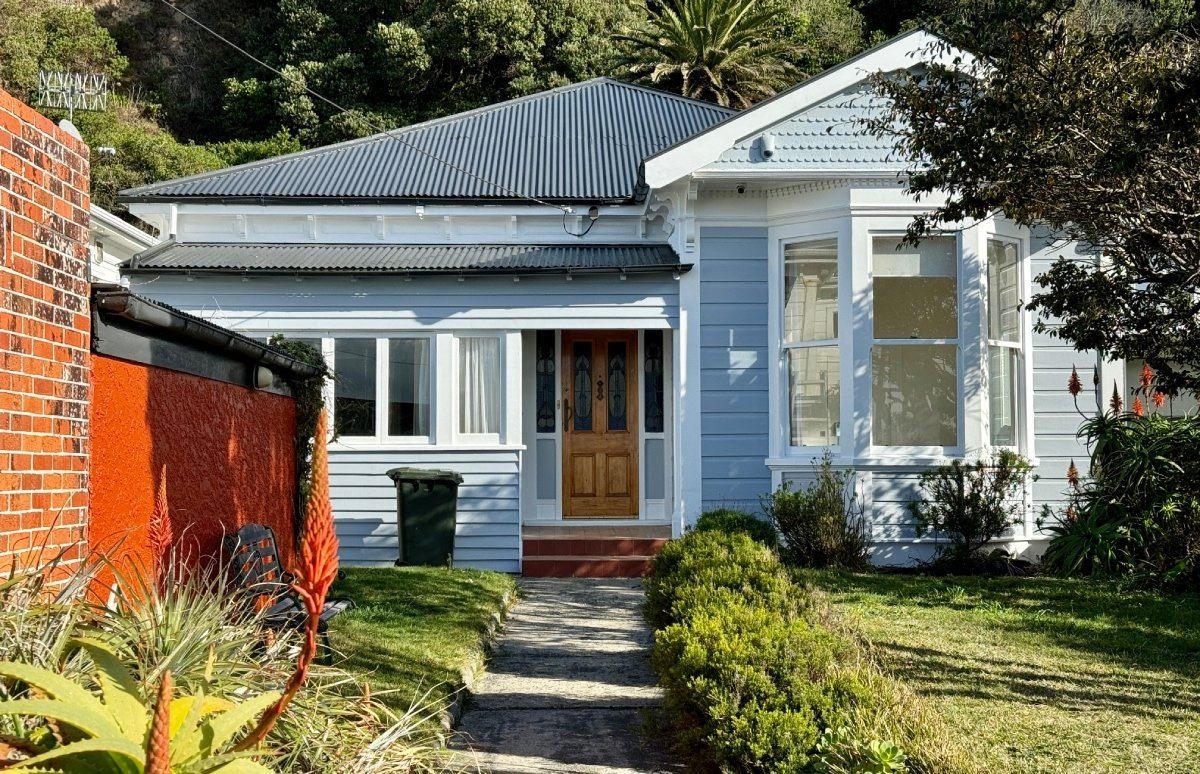
Exterior Painters Auckland
Built to last, not just to look good
Exterior painting is the most mistreated trade service in this city. It’s also the one where shortcuts take longest to show up, which is exactly why they get taken. A house that’s been washed and given two quick coats looks identical to a house that’s been stripped, sealed, filled, sanded and coated properly — for about three years. Then one of them starts letting go at the joints and the other one doesn’t. We’re exterior painters working across Auckland, and what we’re known for is the part you can’t see once the topcoat is on. Every exterior runs through the same nine-step process. Every surface gets the coating system specified for that substrate rather than whatever was on it last time. And every stage is written into the quote before we start, so you know what you’re buying instead of taking a number on trust. If you want an exterior that’s still sound in ten years, that’s what it takes. There’s no version of this job that’s quick and also lasts.
Recent Exterior House Painting Projects
-
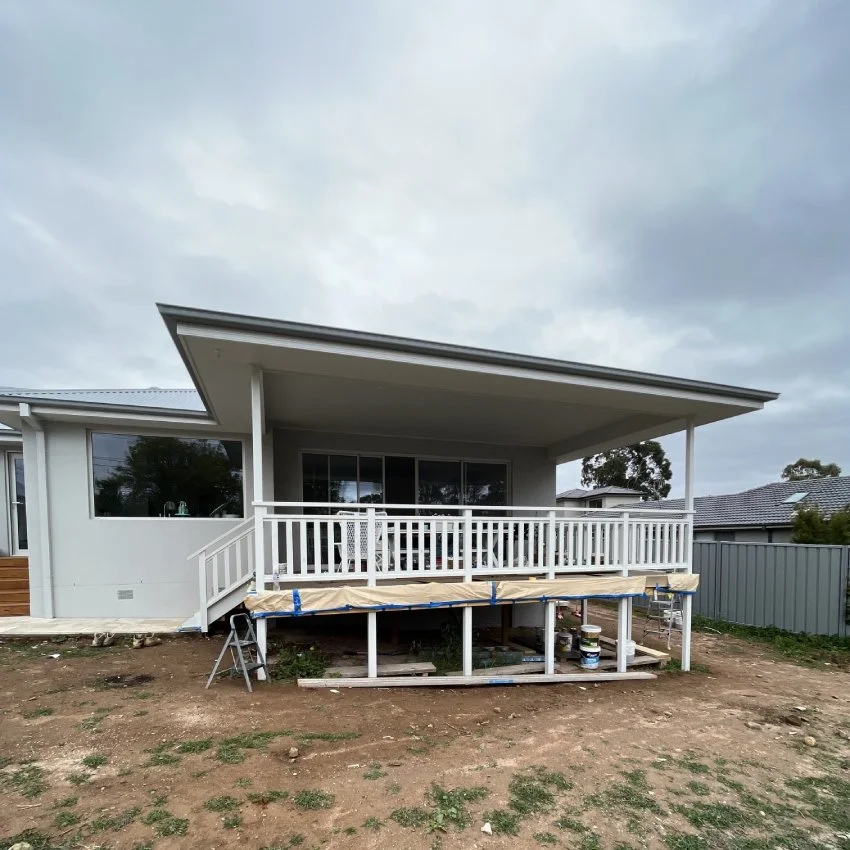
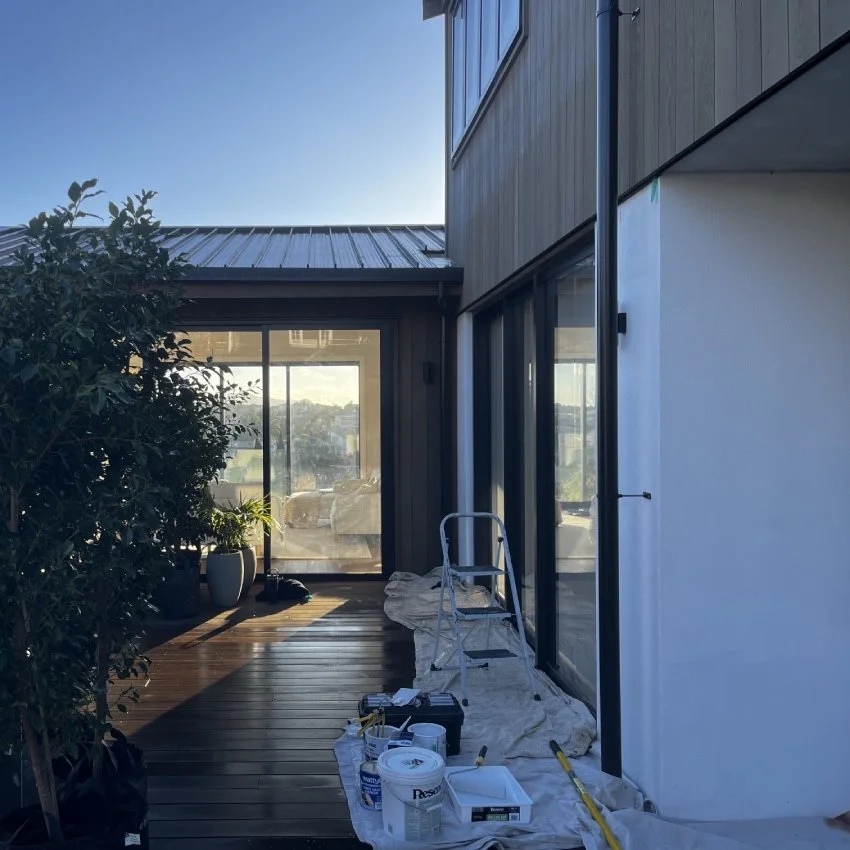
![Full exterior painting - New build]()
Full exterior painting - New build
-
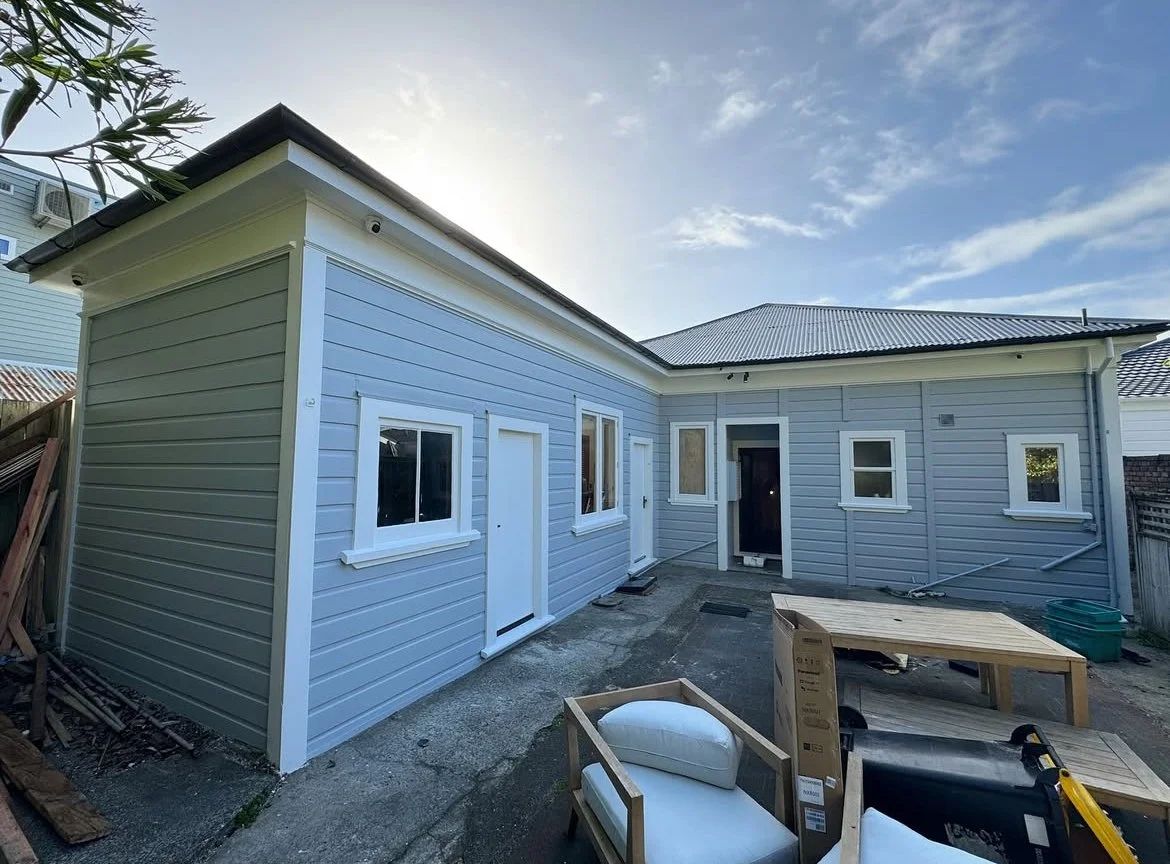
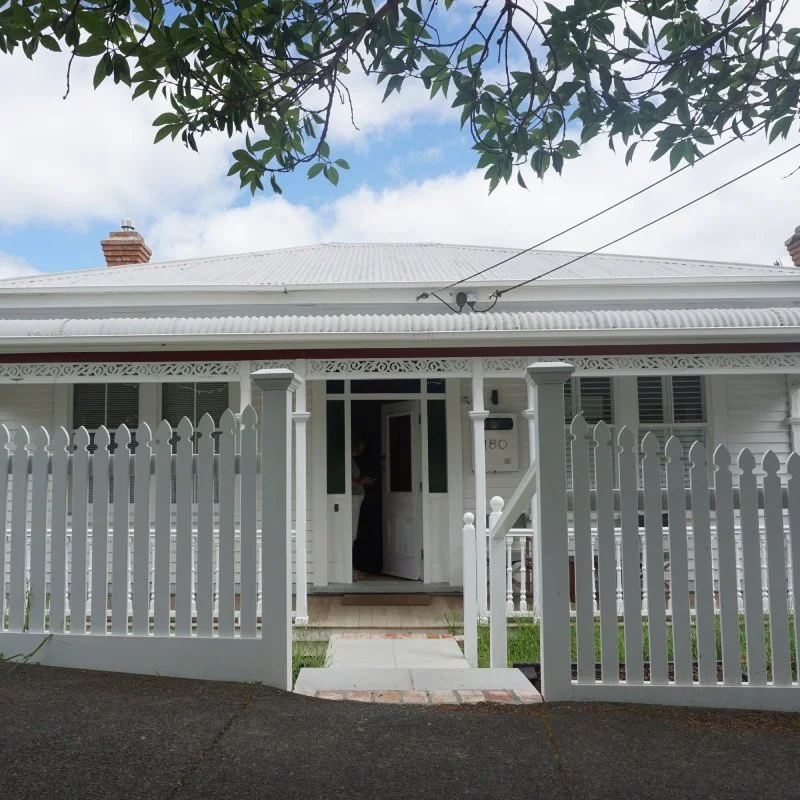
![Full exterior painting - 1903 Villa]()
Full exterior painting - 1903 Villa
-
![Exterior painting touch ups - Ponsonby]()
Exterior painting touch ups - Ponsonby
-
![Exterior render painting - New build]()
Exterior render painting - New build
-
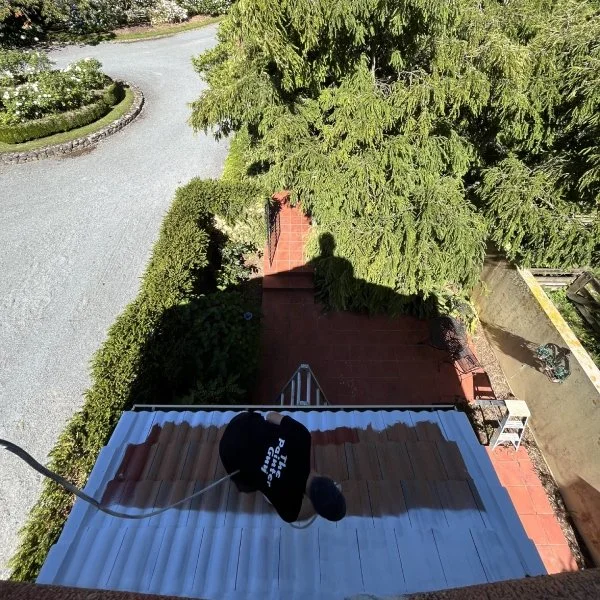
![The Painter Guy Akl Exterior Painting]()
Exterior spray painting
-
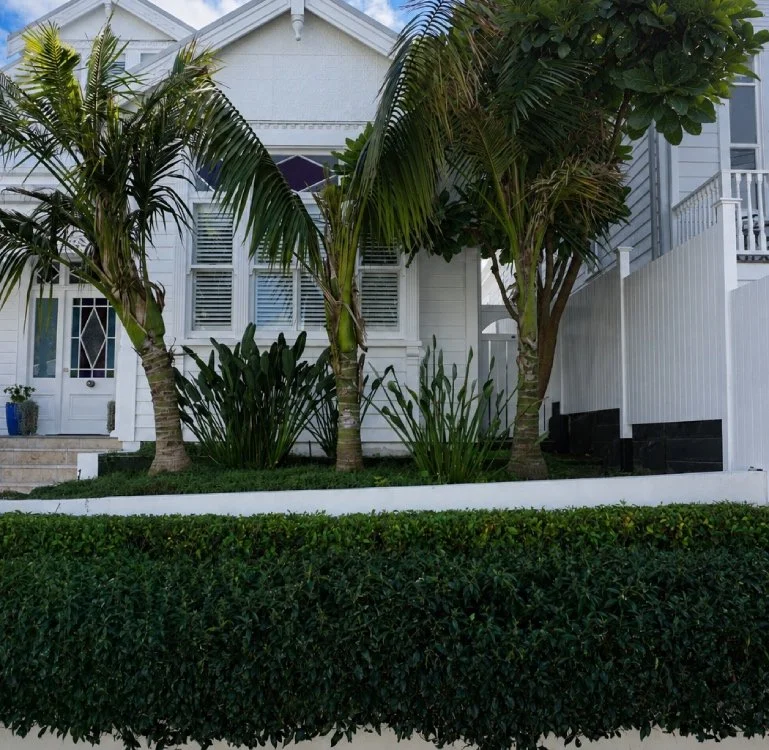
![Grey Lynn exterior painting]()
Exterior painting - Grey Lynn

Abdi Khaled
About
I’m Abdi. I spent four years with The Painter Guy in Wellington, where the business has run since 2013, built on high-quality work and a team that genuinely loves what they do. In early 2026 I opened The Painter Guy in Auckland, and we’re growing here the same way: every project follows the same detailed process, with the client at the heart of it — your vision, brought to life with our expertise.
-
The Painter Guy started in Wellington in 2013 and built its reputation there on exterior work. More than 600 jobs later, that's still what the business runs on.
We're newer in Auckland and we'll say so rather than let you assume otherwise. We opened here recently and the Auckland job count is in the dozens rather than the hundreds. Every review on this page is from an Auckland customer — a rental repaint, a heritage villa in Grey Lynn, a house in Ponsonby — and you can check all of them. We'd rather be judged on work you can verify than on a number you can't.
Across those jobs we've seen the same failures repeatedly: preparation missed, a sealer skipped to save half a day, an acrylic run straight over chalked oil enamel, a spray job over surfaces nobody ever put a hand on. Every one of them is cheap at quoting stage and expensive by year three.
We can't promise to be the cheapest exterior painting quote you get. We can promise it'll be the most detailed — every elevation listed, every product named, and the preparation written down rather than assumed.
-
Exterior painting is a local trade. The same house in Auckland and in Christchurch wants a different job, and within Auckland the gap between a Titirangi bush site and a Bucklands Beach waterfront is bigger again. Here's what actually shapes an exterior repaint in this city.
Salt, on both coasts
Auckland is a narrow isthmus with water on both sides, and the exposure band is wider than people think. It isn't only the beachfront streets. Salt carries inland on the prevailing wind and settles on cladding, fixings, spouting and joinery. On the east it's Bucklands Beach, Half Moon Bay, Mission Bay, Maraetai and Beachlands. On the west, Piha, Muriwai and the Manukau edge get it harder, because the weather comes in off the Tasman with nothing in front of it. Devonport, Takapuna and Milford take it from the Gulf.
Salt does two things. It degrades coatings from the surface down, and it attacks fixings from the inside out. What it also does — and this is the one that ruins repaints — is survive a wash. Chloride left on the substrate keeps drawing moisture through a new coating and lifts it from underneath, which is why a coastal house can be repainted properly and still blister in year two. Coastal exteriors need the contaminant removed, not just the dirt, and a system rated for the exposure. We treat anything within a few hundred metres of water as coastal, regardless of what the last painter did.
UV, and what it means for dark colours
New Zealand sits under roughly 40% more intense UV than comparable northern-hemisphere latitudes. Auckland adds heat and humidity on top. That combination chalks a north and west elevation years before the south side shows anything, which is why the two faces of the same house often need different amounts of preparation on the same repaint.
It also constrains colour. A dark exterior absorbs substantially more heat, which moves the substrate underneath it and shortens the life of the coating. That's why the trade has historically talked people out of charcoal weatherboards. Resene's CoolColour technology reformulates a dark colour to reflect more infrared while looking the same to the eye, which makes deep exteriors viable where they weren't before. If you want a dark scheme we'll spec it that way — and if a colour genuinely won't hold on your elevation, we'll tell you before you commit rather than after.
Humidity, moss and the south elevation
Auckland's humidity sits high most of the year and it rains across all twelve months rather than in a season. The practical effect is that south and south-east elevations — the ones that never dry properly — grow moss, mould and lichen while the north face is chalking. Two completely different failures on one house, needing two different responses.
It also governs when we can coat at all. Surfaces need to be dry through, not dry to the touch, and after a wash in an Auckland winter that can mean two or three days rather than overnight. We watch dew point as well as temperature in the shoulder seasons, because coating late on a cool afternoon can leave a film that never properly cures. That house looks finished on handover and starts failing inside a year.
Auckland's cladding mix
Few cities have this much variety in one market, and each substrate is a different job.
Weatherboard — bevel-back and rusticated, through the villa and bungalow belt in Ponsonby, Grey Lynn, Mt Eden, Kingsland, Devonport and Pt Chevalier. Usually the most preparation of anything we touch: a century of paint history, movement at every joint, and often oil enamel underneath that needs an oil-based sealer before anything waterborne will hold.
Brick and tile — the post-war belt through Pakuranga, Howick, Papatoetoe and much of the North Shore. Painting brick is a one-way decision and we'll say so plainly. Mortar and masonry take different preparation, and once brick is coated it's coated permanently.
Plaster and monolithic cladding — late 80s through early 2000s. This is the one to be careful with. Recoating monolithic cladding from the leaky-building era makes it look sound without making it sound, and paint over an unresolved moisture problem hides it rather than fixing it. If we find that on a site visit we'll tell you what we're looking at, and if the job needs a building assessment before a coating, we'll say that instead of quoting it.
Fibre cement and modern cladding — Flat Bush, Botany, Ormiston, Hobsonville, Long Bay and the new-build growth areas. Young, generally sound surfaces, so the work is accuracy, a clean site and a tidy finish rather than heavy remedial prep — often coordinated around builder's warranty conditions or a body corporate.
Cedar — common through the bush suburbs and on 70s architectural homes in Titirangi, Laingholm and the Waitakere fringe. Wants a stain system rather than a paint, and wants recoating more often.
Lead paint on pre-1980 homes
Any Auckland house built before 1980 may have lead-based paint in its exterior coating layers, and a large part of the central and inner-west housing stock qualifies. Sanding or stripping it without controls puts lead dust through your soil, your garden and your house.
We test where the age of the property suggests we should. If it's there, you hear about it before we start rather than after, and the waste is contained and disposed of properly. It's not the conversation anyone wants at quoting stage, and it's a lot better than the alternative..
-
Every exterior we paint runs the same nine steps in the same order. Not because process language sounds professional, but because each step exists to prevent a specific failure — and skipping any one of them causes a specific problem later. What each one is actually for:
1. Strip damaged paint — every coating that's lost adhesion comes off, scraped, stripped or orbital sanded back to something sound. New paint bonds to the layer beneath it, so anything already letting go takes the new coating with it when it finally lifts. This is the step that disappears when a quote comes in cheap.
2. Oil based sealer — onto bare and stripped timber. Oil penetrates the grain and binds the surface in a way waterborne product can't. It's what makes an acrylic topcoat hold on old, weathered or previously enamelled timber instead of sitting on top of it.
3. Skim fill entire surface — not just the obvious holes. Grain, feathered stripping edges and the ridges where old coating stops all show through a finished surface in direct light, and an exterior gets nothing but direct light.
4. Orbital sand — machine sanding, so fill and surrounding surface become one plane. Hand-sanding a whole exterior leaves hollows you'll see every afternoon when the sun comes across it.
5. Water based sealer — over the filled and sanded surface. Binds the filler, evens out how porous the surface is, and stops the topcoat sinking into patched areas and drying to a different sheen.
6. Patch fill — a finer second pass at whatever the sealer coat revealed. A sealer shows up defects that were invisible on a raw surface. This is the step that catches them before topcoat.
7. Top coat — first full coat, in the system specified for that substrate.
8. Defect check — before the last coat, every elevation gets gone over for anything missed. Fixing a defect between coats takes minutes. Fixing it after the final coat means recoating a whole elevation to avoid a visible patch.
9. Top coat x2 — the final coat, so every surface carries two full topcoats over a sealed, filled and sanded base.
Two coats over proper preparation is a ten-year exterior. Two coats over a wash is a three-year one, and on handover day they look identical. That difference is the entire argument for doing it this way.
On top of the nine, an exterior also gets the wash before step one, metal priming to screw heads and fixings, and gap filling to every joint and penetration before the sealer goes on.
Your quote sets this out surface by surface and elevation by elevation, so before you commit you can see exactly which steps your house is getting.
The wash — where every exterior actually starts
Before step one of the nine, the house gets cleaned. Properly, and this is more involved than most people expect.
We start with Resene Chem Wash to kill moss, mould and lichen, then pressure or soft wash depending on what we're washing. That order matters. Water-blasting moss off a wall removes what you can see and leaves the spores in the timber, and they grow back through a new coating within a couple of years. The chemical treatment kills it first. It's an extra step and roughly half a day, and it's the difference between a wash and a clean.
Pressure is chosen for the substrate, not for speed. High pressure on weatherboard drives water behind the boards and lifts the grain. On older or softer timber, and on plaster, we soft wash instead — lower pressure, longer dwell, chemistry doing the work rather than force. A painter who uses the same setting on everything will cost you either a slow job or a damaged one.
On coastal properties the wash is doing a third job: removing salt. Salt that stays on the substrate keeps pulling moisture through a new coating and lifts it from underneath, which is why a coastal repaint can be done well and still blister in year two. That needs rinsing to remove chloride, not just detergent to remove dirt.
Then the surface has to dry through before anything goes on it. Dry to the touch isn't dry — in an Auckland winter that can be two or three days after a wash. Coating a substrate that's still carrying moisture is one of the most common causes of early failure, and it's invisible on the day.
-
We're a Resene trade partner and we specify Resene systems on every exterior. New Zealand sits under some of the harshest UV in the world, and Auckland adds humidity and salt. Resene formulate for those conditions rather than adapting a coating designed for a milder climate, and they publish their specifications, which means what went on your house is on record.
The brand on the tin matters far less than whether a full system was used. A coating system is the sealer, the primer and the topcoats working together, and the sealer underneath is what actually decides how long the job lasts. It changes with the substrate:
• Weatherboard and timber cladding — Resene Lumbersider (low sheen) or Resene Sonyx (semi-gloss)
• Joinery, doors, fascia and trim — Resene Lustacryl waterborne enamel
• Cedar and stained timber — Resene Woodsman
• Bare or stripped timber — Resene Oil Based Sealer then Resene Waterborne Sealer
• Moss, mould and surface contamination — Resene Chem Wash before any washing
• Rotten or damaged timber — the Repair Care resin system
• Gaps, joints and penetrations — Sika and No More Gaps sealants
Mixing and matching is where exterior jobs fail. A premium topcoat over the wrong sealer will fail as fast as a cheap one — bare timber, galvanised steel, plaster and fibre cement all need different products beneath the same topcoat, and getting that layer wrong is the single most common reason a job that looked perfect on handover starts failing in year three.
Every system we specify goes into your written quote, surface by surface, so you can see exactly what's going on your house rather than a colour name. It also means the products are backed by Resene's own specifications, and you have a written record if you ever need it.
Rot, Repair Care and timber repairs
Every exterior repaint on an older Auckland home turns up some rot. Sill ends, the bottom of weatherboards, fascia, scotia, the corners of window joinery — anywhere water has sat.
Most painters have two options at that point: fill it and hope, or stop and call a builder. Filler is the usual choice because it's fast, and it's why so many repairs crack open again within a couple of seasons. Standard fillers move at a different rate to the timber around them, so the joint between them opens as soon as the timber does, water gets back in, and you're worse off than before because now it's sealed under paint.
We use the Repair Care system instead. It's a two-part resin process: the failed timber is cut out, the surrounding timber is treated, and the profile is rebuilt in place with a resin that flexes with the timber rather than against it. A rebuilt sill or board end takes coating like sound timber and stays put.
It costs more than filler and takes longer. It's also the reason our repairs are still sound when the filler-and-hope version has cracked back open, and it's cheaper than the alternative — replacing a run of weatherboards or a window sill costs multiples of repairing it while it's still small.
Where rot is too far gone to repair, we'll tell you that too, rather than resin-filling something that needs replacing. If a section needs a builder we'll say so at quoting stage, not halfway through.
-
Not every exterior is a repaint of a tired house. Three other jobs come up regularly, and each runs differently.
New builds. Young, sound surfaces, so there's little remedial work — the job is accuracy, sequencing around other trades, and a genuinely tidy site. Often spray-applied where the cladding suits it, and usually coordinated around builder's warranty conditions, a main contractor's programme, or a body corporate. Getting the priming right on new fibre cement and new timber matters more here than anything else, because there's no old coating doing any work for you.
Recladding and restoration. Full strips back to bare substrate, heritage villas, lead paint, coastal properties where the coating has failed completely. This is a different job again — more preparation than paint, and the reason our restoration work is priced and scoped separately.
Pre-sale. Fixed budget, campaign deadline, and the goal is maximum visible improvement rather than a ten-year system. Say so upfront and we'll tell you honestly what's worth doing — often the street-facing elevations, the joinery and the front door — rather than quoting a full exterior because you asked for one. A tired exterior is the first thing a buyer or a valuer sees, and it sets the expectation for everything behind it.
Whatever the job, the standard doesn't change. The scope does.
Access, scaffolding and working at height
Height and access are the two things that move an exterior quote most after condition, and they're the parts people least expect.
A single-storey house on a flat site is straightforward — ladders and trestles, and the cost is labour and materials. A two-storey home, or a single-storey on a sloping section, often needs scaffolding before a brush is picked up. That's a real line in a quote, it's charged by the week, and it adds time at both ends of the job because it has to go up and come down.
It also isn't optional. Working at height off ladders where scaffolding is warranted is how people get hurt, and it's how corners get cut on the elevations that are hardest to reach — which are usually the ones taking the most weather. An elevation someone couldn't reach comfortably is an elevation that didn't get properly prepared.
A few things that drive access cost on Auckland sites specifically: steep sections through the bush suburbs and the North Shore cliffs, narrow side boundaries on infill and terraced housing where scaffold can't be stood conventionally, decks and conservatories that have to be worked over, and mature planting close to the house. We'd rather identify all of that at the site visit and put a real number in the quote than discover it in week one.
If scaffolding is needed, we'll tell you at quoting stage what it is, what it costs and how long it's there for. It's the single most common source of surprise on an exterior quote, and there's no reason for it to be a surprise.
-
You get the specification, not just a price
Your quote lists every elevation and surface, the preparation each one gets, and the Resene system going on it by product name. Most exterior quotes are a number and a colour. Ours is a document you could hand to another painter and have them reproduce the job — which means when you compare us against a cheaper quote, you can see exactly what the difference is buying.
Nine steps means someone touches every square metre
That's how cracked boards, failed sealant, blocked spouting, popped fixings and early rot get found while they're still small and still cheap. A wash and two coats finds nothing, because nobody was ever close enough to look. Whatever we find, you hear about it when we find it, with a photo, not after it's been painted over.
Rot gets repaired, not filled
When we find rotten timber we cut it out and rebuild the profile with the Repair Care resin system rather than packing it with filler. Filler moves at a different rate to the timber around it and cracks back open within a couple of seasons. This is the more expensive way to do it and it's why our repairs hold.
We won't coat in conditions that will cost you
If the surface isn't dry through, or the dew point says a coat won't cure, we stop and tell you rather than pushing on to hit a date. That occasionally means your job runs longer than the estimate. It always means the coating on your house cured properly, which is the entire point of paying for it.
We actually like the work
Nobody does this kind of preparation for a living by accident — it's slow, repetitive, and most of it gets covered by the next coat. The tell is what happens at four in the afternoon when someone goes back up the scaffold for one board that isn't right. Going back up means staying. We stay.
Backed by a workmanship warranty, a 5.0 Google rating, and a business that's run this way since 2013.
Trusted by Auckland homeowners
-
“Unreal, thank you!”
Cannot recommend The Painter Guy enough. We hired Abdi for an interior paint job in our main living area and master bedroom, and we couldn’t be happier with the results. His attention to detail!… Unreal, thank you!
 Hanna Peterson
-
“A wonderful job”
Highly recommend Abdi and team for a paint job. He was very professional, punctual and very friendly to deal with. Did a wonderful job for a full house painting, went above and beyond with dates to finish a house with a family of 2 kids and a dog.
Jashanth Ginthushan -
“A premium finish”
The Painter Guy went above and beyond on a heritage villa renovation project of mine in Grey Lynn… I would highly recommend ‘The Painter Guy Akl’ to anyone looking for a painter who takes pride in his work and provides a premium finish.
IKA Carpentry -
“Looks fantastic”
With us needing to repaint our Rental property quickly, as we only had a few days between Tenancies, giving the property a fresh look along with some window Sill repairs, Abdi came prepared, was professional, and the job was completed on time and Looks fantastic, we look forward to using Abdi’s services again
 David Hay
-
“A great job”
Very happy with the work! Abdi did a great job, was honest and transparent throughout the process, and completed everything quickly and efficiently. The quality of the work was excellent, and I wouldn’t hesitate to recommend him to others.
Sunkissed27 -
“Attention to detail”
Really happy with the painting job from Abdi. He was professional, on time, and did a great job with attention to detail. The finish looks excellent and everything was left clean. Would definitely recommend.
 Antony Hunt
-
“It looked perfect”
Thanks for a great job. Sanded and prepped so well, it looked perfect. Highly recommended.
Anella Munro -
“Top paint job”
Great price, top paint job, highly recommended!
Izmir Mani
From first call to final walk‑through
-
01
Get in touch
Call, text or email — tell us what needs exterior painting.
Same‑day reply -
02
Free site visit
We check the surfaces properly and explain our exterior painting process.
Fixed written quote -
03
We do the work
High detailed prep, finished with the best quality paints.
Work our magic -
04
Final inspection
We walk through the final job with you. Nothing left up to doubt.
Workmanship warranty
LET’S TALK
Looking for reliable exterior house painting in Auckland?
Tell us about your project and we'll be in touch the same day.
Frequently Asked Questions - Exterior Painting
-
Exterior painting is more towards the higher end in terms of painting services when it comes to pricing. This is due to the amount of prep required, higher quality of materials needed and safety measures that need to be taken, working from heights and in various unique situations. All of these tend to push the price up on exterior house painting. If your home has multiple levels, requires extra levels of prep, or includes multiple framing, soffits, downpipes and doors, each needs to be individually prepped and coated with its particular coating system, adding to both labour hours and material expenses. The two factors that move a quote most are height and condition. A single storey weatherboard home that only needs a wash and two coats sits at one end. A two storey home on a sloping site, where scaffolding has to go up before a brush is picked up, sits at the other, and the access equipment alone can be a meaningful line in the quote. Condition does the same thing. A house with sound paint is a fraction of the cost of one where coatings are flaking and need stripping back before anything goes on. Substrate matters too. Weatherboard, plaster, fibre cement and brick each want different preparation and different systems, and a home with several of them takes longer than a home with one. Colour changes and large amounts of joinery add hours in cutting in rather than rolling. For a more specific ballpark price on our exterior house painting services, you can enter your job's description into our free cost estimator and get a rough price back within minutes. From there we can come out and confirm it properly.
-
We work with Resene's coating systems. Local New Zealand paints that are built for the conditions. There isn't a better painting system for local exterior painting jobs than one from a locally based company. New Zealand sits under some of the harshest UV in the world, and add coastal salt and high humidity to that and a coating formulated for a milder climate simply will not last the same length of time here. Resene formulate for our conditions rather than adapting something designed elsewhere. They offer a variety of external paint solutions for each material, as well as colours, eco-friendly paints and special tech paints allowing you to use darker colours on your exterior while reducing heat absorption. Although it is common practice to avoid darker colours on your exterior as they attract heat, therefore reducing their lifespan, Resene offers a CoolColour system allowing them to be used in particular cases. The part that matters more than the brand on the tin is that we use full systems rather than mixing and matching. The primer or sealer underneath is what actually determines how long a job lasts, and it changes depending on what we are coating. Bare timber, galvanised steel, plaster and fibre cement all need different products beneath the same top coat. As exterior painters, getting that layer wrong is the most common reason a paint job that looked perfect on handover starts failing in year three. We specify the full system for each surface on your property and set it out in the quote, so you can see exactly what is going on your house rather than just a colour name. That also means the products are backed by Resene's own specifications, and you have a written record of what was used if you ever need it.
-
Yes. For most jobs, before exterior work begins we will apply a chemical wash, followed by either a soft pressure or hard pressure wash, depending on the surface and what we recommend would work best to protect your property while removing all dirt, grime and moss. The chemical stage is the part that matters most and the part most often skipped. Moss, mould and lichen spread by spores, and blasting the visible growth off leaves the root system sitting in the surface, so it returns within a season or two. The chemical treatment kills it properly, and only then does washing achieve anything lasting. The pressure we use is chosen for the substrate, not for speed. Concrete, masonry and sound plaster can take a harder wash. Older weatherboards, fibre cement and anything with questionable joints get a soft wash, because forcing water at high pressure into a timber exterior drives moisture behind the boards, raises the grain and can push water through joints and around joinery, creating a problem that was not there before. As local exterior painters we would rather spend an extra day washing gently than cause damage we then have to repair. After washing, the surface needs to dry properly before any coating goes on, which usually means days rather than hours depending on the weather. We wash gutters, soffits, fascia and the underside of eaves as well, because those are the shaded areas where growth establishes first and where a quick job stops short. Before any coating goes on we check the surface is genuinely dry rather than assuming it. This allows us to work on a clean surface, and all of our prep work, primers and top coats to attach and adhere perfectly, ensuring the best, longest lasting finish on your exterior.
-
Exterior painting often takes longer than other painting services, depending on the size of the project. This is because of the amount of prep, weather constraints, accessibility, dry time and other small factors. As a rough guide, a straightforward single storey weatherboard home in reasonable condition usually runs somewhere between one and three weeks. A two storey home, or one needing significant stripping and repair, will take longer again, and scaffolding adds time at both ends of the job. Weather is the variable nobody controls. Surfaces need to be genuinely dry before coating, not just dry to the touch, and after a wash that can mean waiting a couple of days rather than starting the next morning. We also watch temperature and dew point, particularly in the shoulder seasons, because coating late in the afternoon on a cool day can leave a film that never properly cures. That is the difference between a finish that lasts a decade and one that looks fine for a season. We also work elevation by elevation rather than opening up the whole house at once, so your property is never fully stripped and exposed while we wait on weather. This extra time allows for a proper job to be undertaken. In order to protect your property the best we can, it takes slightly longer to get it right. What we will not do is push on through poor conditions to hit a date, because that shows up on your walls long after we have gone. Your quote will include an estimated duration and we will keep you updated if the forecast moves things. We will work with you regarding timing, be honest and upfront right from the get-go, and tell you as soon as anything changes rather than at the end.
-
We often get asked: is it worth spending a larger amount on having professional exterior painting work done on your property? The simple answer is yes, if you want to save money in the long run. Having your exterior painted is an easy solution to maintaining your property and protecting it from things such as rust, mould and rot. Paint is essentially your building's raincoat. It is the layer keeping water out of timber, off fixings and away from joints, and once it fails the damage moves from the coating into the structure. Having sections replaced on your exterior due to failure is far more expensive in comparison to having your exterior painted properly and maintaining it over time. Replacing a run of rotten weatherboards, a window sill or a section of fascia costs multiples of what it would have cost to keep the coating intact in the first place. There is a second benefit people forget. A proper prep stage means someone is on every square metre of your exterior with their hands on it, which is how cracked boards, failed sealant, blocked gutters and early rot get found while they are still small. A quick spray over the top finds nothing. There is also the value side of it. A tired exterior is the first thing a buyer, a valuer or a passer-by sees, and it sets the expectation for everything behind it. Paying that little bit extra to have it done by an experienced, high-quality team ensures you have the best guarantee for your property. It also avoids the most expensive outcome of all, which is paying twice, once for a cheap job that fails in three years and again for the proper one that should have been done first.
-
Scaffolding may be required to access certain parts of your property. This will be discussed at our initial site inspection. As exterior paint contractors we work with professional scaffolding companies locally in Auckland. Generally it comes into play on two storey homes, properties on sloping sites where the ground drops away, high gable ends, and anywhere we would otherwise be working above a deck, a roofline or a conservatory. Where scaffolding is not warranted we may use mobile towers or edge protection instead, and we will explain which we are proposing and why. What we will not do is have someone balancing a ladder in a spot that calls for a proper platform, because that is how people get hurt and how the work gets rushed to get off the ladder faster. Scaffolding also improves the job itself. Being able to stand square to a surface, at the right height, with materials to hand, produces noticeably better preparation and a cleaner cut than reaching from a ladder. It is worth knowing that scaffolding needs booking in advance and has its own hire period, so it does influence the start date and it is one reason we ask for a decision before locking in a schedule. On tighter sites we will also check whether any of it needs to sit on or over a neighbour's property, and sort that conversation out before anything is erected rather than on the morning it arrives. However, we will discuss it with you first; if you are more comfortable sourcing this yourself, that is something we can arrange. All additional expenses are included in our quoting system, with clear pricing and required information, shown as its own line rather than buried in a total. If there are any concerns our team will be fully honest and cooperative.
Read about some of our exterior work
The prep that goes in underneath the paint, and why it decides how long the finish lasts.
Projects
- Coastal exterior repaint Weatherboard on the coast, stripped back and rebuilt.
- Point Chev new build exterior A new build exterior taken from bare to finished.
- Heritage home painting Heritage detail repaired before a single coat went on.
- Mediterranean style roof recoat A tile roof recoated rather than replaced.
Worth reading
Doing the inside at the same time? See interior painting in Auckland - one crew, one set-up, one quote.