
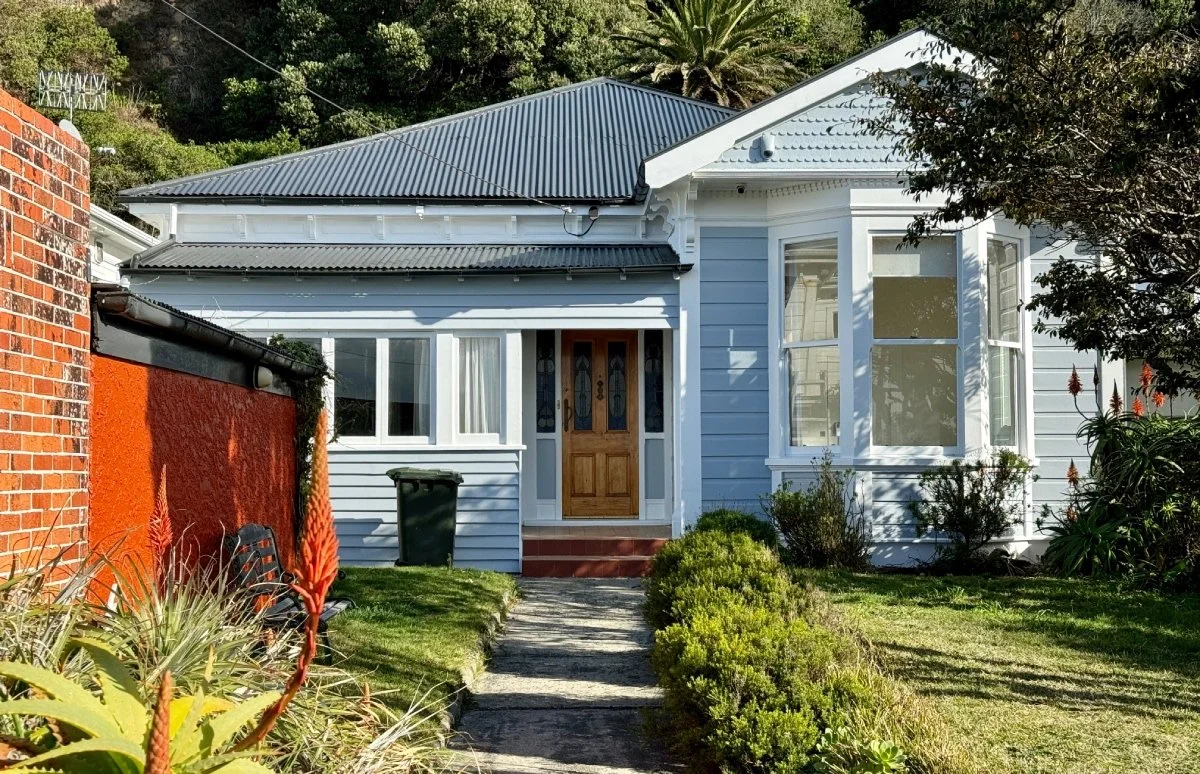
House Painters In West Auckland
West Auckland Painters
As local West Auckland painters, we know exactly what is required for your painting project. We understand the environment: high levels of moisture, salt air closer to the coast, and the combination of older state homes alongside new builds and townhouses. Our team of professional West Auckland painters have the quality and expertise to serve you. We are based locally out west, which means we can get to your site easily, wherever you may be. West Auckland is our home and that is something we proudly represent.
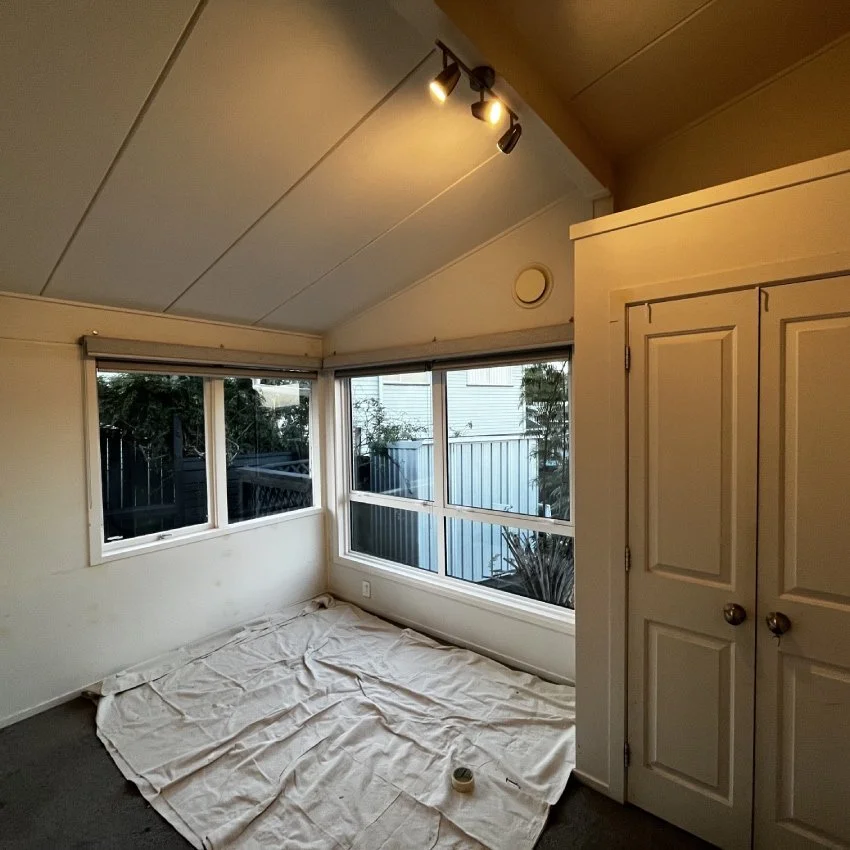
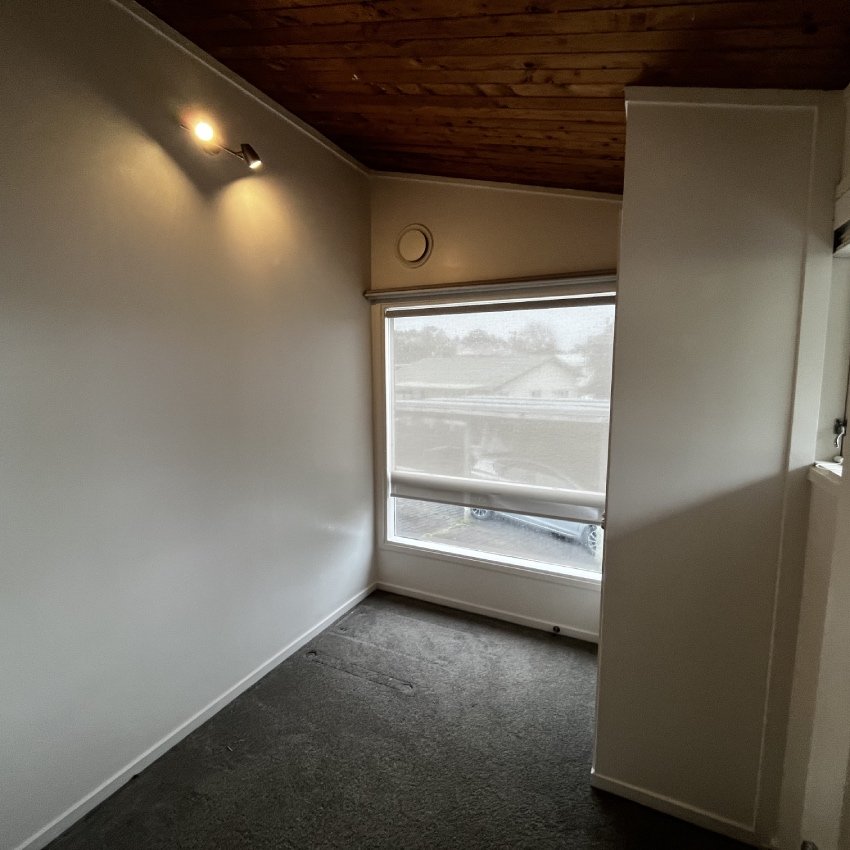
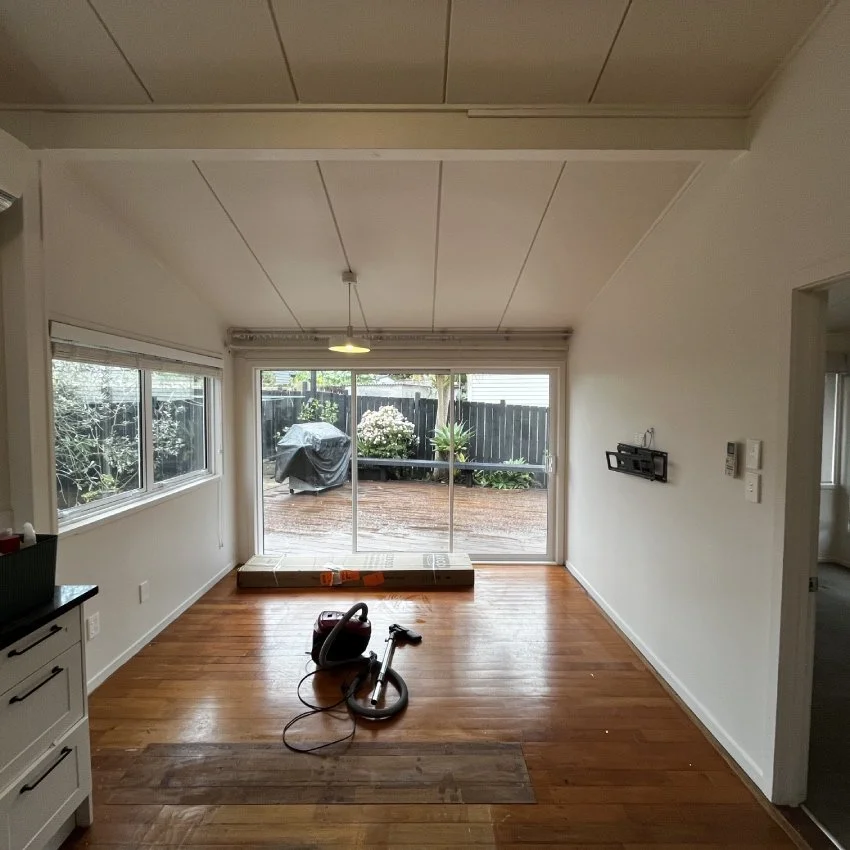
Recent Avondale Project

Abdi Khaled
About
I’m Abdi. I spent four years with The Painter Guy in Wellington, where the business has run since 2013, built on high-quality work and a team that genuinely loves what they do. In early 2026 I opened The Painter Guy in Auckland, and we’re growing here the same way: every project follows the same detailed process, with the client at the heart of it — your vision, brought to life with our expertise.
-
No matter where in West Auckland you live, we have the paint solutions for you. Te Atatū Peninsula, West Harbour and Hobsonville sit on the harbour, while Piha, Bethells and Muriwai take the full force of the west coast. Salt is relentless on coatings and on fixings, and a specification that performs perfectly in a sheltered inland suburb will not last the same length of time out here. Salt also attacks screws, nail heads and joinery hardware long before the paint film itself gives up, so checking and treating fixings is part of our prep rather than something we coat straight over. We select coating systems for the exposure your property actually has, and we are upfront about realistic repaint intervals rather than promising the same lifespan everywhere. For coastal properties we also recommend a simple fresh water rinse once or twice a year — it costs nothing and noticeably extends the life of the coating.
-
West Auckland has more exposed timber than any other part of the city. Cedar weatherboards, timber joinery, pergolas, decks, stairs and handrails — much of it on homes that were designed to sit in the bush rather than resist it. Each of those surfaces wants a different answer. A stain or oil lets the timber breathe and keeps the grain visible, but needs recoating more often. A full paint system gives you the most protection and the longest interval between repaints, though you lose the natural look. Cedar in particular will bleed tannin straight through the wrong primer, so the sealer underneath matters as much as the top coat. We will walk you through that trade-off honestly rather than defaulting to whatever is quickest, and if your deck, stairs or handrails need doing at the same time, our deck painting page covers that process in more detail.
-
At The Painter Guy Akl we would rather do the preparation properly than get off site quickly with a rushed job. That matters more in West Auckland than anywhere, because the diverse weather and high levels of moisture mean this is the region where shortcuts show up fastest. What separates us from other West Auckland painters is that we prepare for the conditions in front of us, tell you honestly when a surface needs more than paint, and stand behind the work with our workmanship guarantee. Honesty and clear communication are hallmarks of The Painter Guy Akl.
-
Along with doing the correct preparation procedures, we also use the highest-quality paints available. Our partnership with Resene allows us to use locally made paints best suited for West Auckland conditions, including systems formulated to resist moss, mould and lichen in shaded, high-moisture areas. We follow strict procedures to ensure we are operating at a high level, following our custom nine-step restoration process and five-coat system. We also match the sheen and system to the exposure, because a finish that performs well inland will not behave the same way on a coastal or bush-facing elevation. This allows us to give you not only the best finish, but one that lasts.
-
Henderson, Te Atatū Peninsula, Te Atatū South, Glendene, Kelston, New Lynn, Avondale, Blockhouse Bay, Green Bay, Titirangi, Laingholm, Woodlands Park, Oratia, Glen Eden, Sunnyvale, Ranui, Swanson, Massey, West Harbour, Hobsonville, Whenuapai, Westgate, Waitākere, Bethells Beach, Piha, Muriwai, Kumeū, Huapai and Riverhead.
From first call to final walk‑through
-
01
Get in touch
Call, text or email — tell us what needs painting.
Same‑day reply -
02
Free site visit
We check the surfaces properly and explain our painting process.
Fixed written quote -
03
We do the work
High detailed prep, finished with the best quality paints.
Work our magic -
04
Final inspection
We walk through the final job with you. Nothing left up to doubt.
Workmanship warranty
Trusted by Auckland homeowners
-
“Unreal, thank you!”
Cannot recommend The Painter Guy enough. We hired Abdi for an interior paint job in our main living area and master bedroom, and we couldn’t be happier with the results. His attention to detail!… Unreal, thank you!
 Hanna Peterson
-
“A wonderful job”
Highly recommend Abdi and team for a paint job. He was very professional, punctual and very friendly to deal with. Did a wonderful job for a full house painting, went above and beyond with dates to finish a house with a family of 2 kids and a dog.
Jashanth Ginthushan -
“A premium finish”
The Painter Guy went above and beyond on a heritage villa renovation project of mine in Grey Lynn… I would highly recommend ‘The Painter Guy Akl’ to anyone looking for a painter who takes pride in his work and provides a premium finish.
IKA Carpentry -
“Looks fantastic”
With us needing to repaint our Rental property quickly, as we only had a few days between Tenancies, giving the property a fresh look along with some window Sill repairs, Abdi came prepared, was professional, and the job was completed on time and Looks fantastic, we look forward to using Abdi’s services again
 David Hay
-
“A great job”
Very happy with the work! Abdi did a great job, was honest and transparent throughout the process, and completed everything quickly and efficiently. The quality of the work was excellent, and I wouldn’t hesitate to recommend him to others.
Sunkissed27 -
“Attention to detail”
Really happy with the painting job from Abdi. He was professional, on time, and did a great job with attention to detail. The finish looks excellent and everything was left clean. Would definitely recommend.
 Antony Hunt
-
“It looked perfect”
Thanks for a great job. Sanded and prepped so well, it looked perfect. Highly recommended.
Anella Munro -
“Top paint job”
Great price, top paint job, highly recommended!
Izmir Mani
LET’S TALK
Looking for reliable painters in West Auckland?
Tell us about your project and we'll be in touch the same day.
Frequently Asked Questions - West Auckland Painters
-
Exteriors in West Auckland generally do not last as long as the same job would in a sheltered inland suburb, and the honest answer depends a lot on where your property sits. As a rough guide, a well prepared exterior paint system on a sheltered site through Henderson, Glen Eden or New Lynn should give you somewhere around eight to ten years. Bring that property closer to the water at Te Atatū Peninsula, West Harbour or Hobsonville and you are realistically looking at six to eight, because salt is working on the coating and the fixings the entire time. Out at Piha, Bethells or Muriwai, where the property takes wind, salt and full sun together, five to seven years is a more truthful expectation. Bush sections through Titirangi, Laingholm and Oratia are a different problem again. The coating itself may hold up fine, but moss, mould and lichen will appear far sooner in the shade and moisture, which often has people repainting for appearance long before the paint film has actually failed. Stains and oils on timber sit on a much shorter cycle, usually two to five years depending on the product and the exposure. The single biggest thing you can do to stretch any of those intervals is wash the house down once a year. It removes salt, spores and grime before they get established, and it costs a fraction of a repaint. When we quote your property we will tell you what we think you will realistically get out of the system we are proposing, based on the elevation, the exposure and the condition of what is already there, rather than quoting the same number to every house in West Auckland.
-
Because washing only removes what you can see. Moss, mould and lichen spread by spores, and the spores sit in the surface of the coating and in the substrate underneath it. Water blasting knocks the visible growth off and leaves the root system in place, so within a season or two it is back, often worse, because the surface has been roughened and now holds moisture even better than before. West Auckland gives that cycle everything it needs. Shade from bush and mature trees, high humidity, surfaces that never get direct sun, and long damp winters. South facing and bush facing elevations are almost always the worst on any given property. The fix is a chemical treatment that kills the growth at the root, left on the surface long enough to actually work rather than rinsed straight off, followed by the appropriate wash for the substrate. Only then is the surface genuinely clean enough to coat. The second half of the fix is dealing with why it happened. Overhanging branches that keep a wall permanently damp, gutters holding water, downpipes discharging against cladding, poor subfloor ventilation, garden beds and vegetation packed against the house. A coating system with mould inhibitors will slow the growth down, but it will not beat a wall that never dries out. During our site inspection we will point out what we can see causing the problem and tell you honestly what is a painting fix and what needs a bit of pruning, drainage work or a plumber before we start. Then an annual fresh water wash keeps the surface clear and keeps the growth from establishing again, which is far cheaper than bringing the paint forward by three or four years.
-
Both work well on cedar and the right answer depends on how you want the house to look and how much maintenance you are willing to do. A stain or oil keeps the grain visible and lets the timber breathe, which is what most people are after when they have chosen cedar in the first place. It penetrates rather than forming a film, so it does not peel or flake, and recoating is straightforward because you clean the surface and apply another coat rather than stripping anything back. The trade off is frequency. On an exposed West Auckland elevation you may be recoating every three to five years, and sooner on north and west facing walls where the sun does the most damage to the pigment. A full paint system gives you the longest interval between repaints and the most protection from moisture and UV, and on a shaded bush facing wall it holds up noticeably better against mould. The trade off there is that you lose the timber look, and once cedar has been painted, going back to a natural finish means a full strip, which is expensive. The technical point that matters either way is tannin. Cedar contains natural tannins that will bleed straight through the wrong primer and show as brown staining within weeks, particularly around fixings and end grain. That means a stain blocking, oil based sealer underneath, not a general purpose acrylic undercoat. Getting that wrong is the single most common reason a cedar repaint fails early. At the site inspection we will look at the condition of the timber, the exposure of each elevation and what has been used previously, then walk you through the honest trade off rather than defaulting to whichever is quickest for us.
-
Yes, and it is a large part of what painting in West Auckland involves. A lot of homes through Titirangi, Laingholm, Woodlands Park and Oratia are built into the slope, elevated on poles or piles, with the ground dropping away sharply beneath them. That means a single elevation might be one storey at the front door and three storeys at the back, with limited flat ground to work from and a driveway that will not take a truck. The first thing we do is work out access properly at the site inspection rather than discovering the problem on day one. Depending on the property that might mean scaffolding, an edge protection system, mobile towers, or rope access for the sections nothing else will reach. Our team hold current working at heights training and we do not improvise on this, because a ladder balanced on a slope is how people get hurt and how jobs get rushed. We will set out in the quote what access equipment the job needs and what it costs, so you can see it as a separate line rather than a vague allowance buried in the total. Elevated bush homes also come with the areas most other quotes quietly skip: the underside of decks, the subfloor framing, pole bases, stair stringers and the back of balustrades. Those are the surfaces closest to the ground, the dampest, and the first to fail, and they are exactly the parts that need attention on a bush site. We will tell you what we can reach, what we cannot, and what we recommend prioritising if the full scope is more than you want to take on at once.